


You found a used car listed well below market price. It looks clean, drives fine, and the seller says it passed inspection. Then you notice it: “rebuilt title.” If you’re not sure what that means or how it affects your insurance and resale value, you’re not alone. These terms confuse a lot of Alberta buyers and sellers, and the consequences of misunderstanding them can be expensive.
This guide explains exactly what a salvage title is, what a rebuilt title means in Alberta, how the inspection process works in Calgary and across the province, and what the rebuilt status does to your insurance.
What Is a Salvage Title?
A salvage title is issued when an insurance company declares a vehicle a total loss. This typically happens when the estimated cost of repairs reaches between 70 and 90 percent of the vehicle’s actual cash value. The damage doesn’t have to be from a collision: floods, fire, theft recovery, and hail can all trigger a total loss declaration.
Once a vehicle receives a salvage designation, it can’t be legally driven, sold as roadworthy, or registered until it’s been properly repaired and inspected. The salvage label is also permanent: it stays attached to the vehicle’s VIN for life, regardless of how many times it changes hands or provinces.
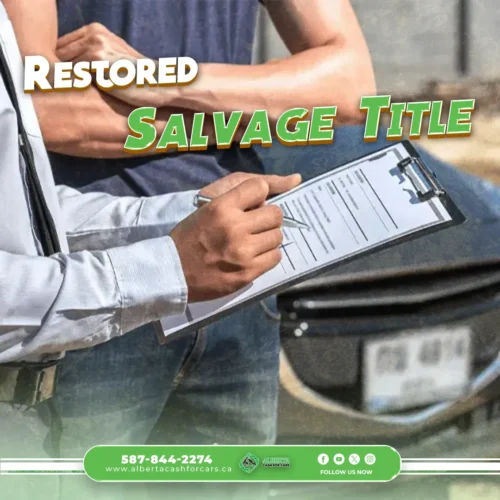
In Alberta, the term “restored salvage title” isn’t used officially. The two statuses you’ll see are salvage and rebuilt.
Rebuilt Title vs Salvage Title: What's the Difference?
The difference comes down to one thing: whether the vehicle’s been repaired and certified as roadworthy again.
| Status | What It Means | Can You Drive It? | Can You Insure It? |
|---|---|---|---|
| Salvage | Declared a Total Loss by Insurer | No | No (Not for Road Use) |
| Rebuilt | Repaired and Passed Provincial Inspection | Yes | Yes, with Limitations |
A rebuilt title means the vehicle was once salvage, was repaired, and then passed a government-approved inspection. It’s legally drivable and can be insured, but the history follows it permanently. Every future buyer, insurer, and lender will see that rebuilt status on the vehicle record.
How a Vehicle Gets a Rebuilt Title in Alberta
The process in Alberta is more involved than many people expect. Here’s how it works:
- The insurance company declares the vehicle a total loss and notifies Alberta Transportation to flag the VIN as salvage in the registry database
- The vehicle is typically sold to a rebuilder or salvage buyer, since the original owner usually can’t repair and re-register it themselves
- Before repairs begin, the owner must download Alberta’s Rebuilt Vehicle Work Plan, which serves as the official rebuild record throughout the process
- All repairs are completed and documented, with receipts for parts and labor kept on file
- The owner contacts a licensed Salvage Vehicle Inspection Facility (SVIF) in Alberta to arrange inspection
- If the vehicle passes, an Inspection Certificate is issued, which must be submitted to an Alberta registry agent within 14 days to rebrand the title from salvage to rebuilt
Once the rebuilt brand is recorded, the vehicle can be registered, plated, and insured for road use.
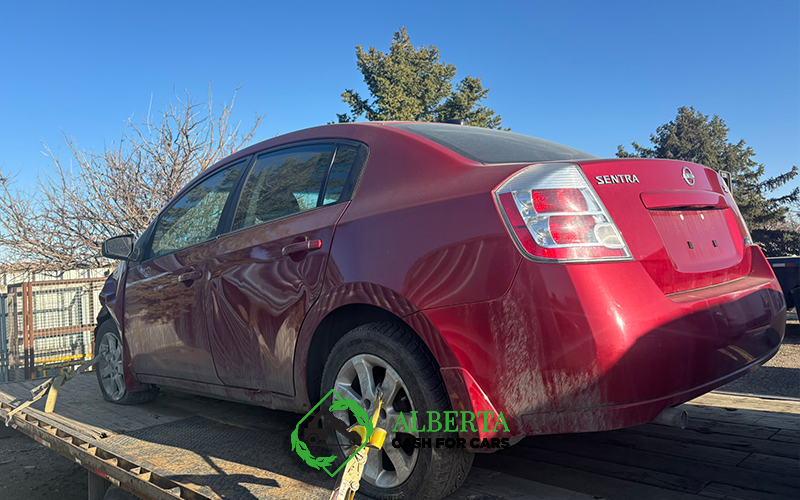
Salvage Inspection in Calgary: What You Need
If you’re going through a salvage inspection in Calgary, the facility will require documentation before and during the process. Having everything ready avoids delays.
- Proof of ownership: title or registration showing you’re the legal owner
- Rebuilt Vehicle Work Plan: completed throughout the repair process, not after
- Receipts for all parts and labor: every repair needs to be documented
- Before and after photos of the damage: inspectors use these to assess the scope and quality of repairs
- VIN report: confirms the vehicle’s identity and history match the records
- Request for Inspection form: obtained from any Alberta registry agent before the inspection appointment
Missing any of these can result in a failed or delayed inspection. The SVIF won’t issue a certificate without a complete file.
Does Rebuilt Status Affect Insurance?
Yes, and this is where most buyers get caught off guard. In Alberta, car insurance is provided by private insurers, which means rates and coverage vary by company. But across the board, a rebuilt title creates real challenges:
- Higher premiums: insurers treat rebuilt vehicles as higher risk because of their damage history and the potential for issues that weren’t fully addressed during repairs
- Limited coverage options: some Alberta insurers will only offer liability coverage on a rebuilt vehicle, not collision or comprehensive
- Some insurers decline entirely: not every company in Alberta will write a policy for a rebuilt title vehicle, which means you may have fewer options to shop between
- No time limit on the impact: the rebuilt status never expires. As long as the vehicle exists, the insurance implications remain
Alberta’s insurance rates are already under pressure in 2026, with premiums for good drivers capped at 7.5% increases this year. A rebuilt title sits outside those rate cap protections in terms of how insurers price the risk, so it’s worth getting insurance quotes before committing to a purchase.
Related Post:
When to Walk Away from a Rebuilt Title Vehicle
- A rebuilt title isn’t automatically a dealbreaker, but there are situations where it’s not worth the risk:
- The seller can’t produce the full repair documentation and inspection certificate
- The vehicle has a flood damage history, since electrical and corrosion issues can resurface years later
- The car originated in another province with lighter inspection standards than Alberta
- Your insurer won’t offer comprehensive or collision coverage on it
- The asking price isn’t meaningfully lower than a comparable clean-title vehicle
Have a Salvage or Rebuilt Vehicle You Want to Sell?
If you own a salvage or rebuilt title vehicle in Alberta and want to sell it without the headache of private listings, Alberta Cash for Cars buys vehicles in any condition, including salvage, rebuilt, damaged, and non-running. The team operates across Calgary and more than 25 surrounding Alberta communities.
Call +1 (587) 844-2274 or email [email protected] for a free quote. Same-day pickup is available in most areas, with free towing for vehicles that can’t be driven.
Final Thoughts
Salvage and rebuilt titles aren’t the same thing, and the difference matters whether you’re buying, selling, or insuring a vehicle in Alberta. A salvage title means the car’s off the road until it’s properly repaired and inspected. A rebuilt title means it passed that inspection and is legal to drive, but the history stays with it permanently.
In Alberta, the rebuilt inspection process is thorough, and the salvage inspection requirements in Calgary are specific. Understanding what rebuilt status does to insurance premiums and resale value before you commit to a purchase or a repair project saves you from expensive surprises down the road.
Frequently Asked Questions
What does a salvage title mean in Alberta?
What's the difference between a rebuilt title and a salvage title?
Does rebuilt status affect car insurance in Alberta?
What do I need for a salvage inspection in Calgary?
Can I sell a rebuilt title car in Alberta?
How much does a rebuilt title reduce a car's value?
Sources
Alberta Cash for Cars uses only trusted, high-quality sources to ensure the information in our articles is accurate, reliable, and up to date.
- Government of Alberta. Rebuilt Vehicle Work Plan and Salvage Inspection Process. alberta.ca
- Clutch Technologies Inc. Salvage Title Cars: What You Need to Know. clutch.ca
- Spring Financial. What Are Rebuilt Titles, and Do They Affect Insurance? springfinancial.ca
- RIDEZ. Rebuilt Salvage Title Canada: Hidden Traps in 2026. ridez.ca
- Government of Alberta. Automobile Insurance Reform 2026. alberta.ca