



Over 26 million motor vehicles are registered in Canada, and around 83% of Canadians rely on a car for daily life. Owning one, though, keeps getting more expensive. Monthly costs climb fast once you add up payments, gas, insurance, and repairs. For many Canadians, especially in Alberta where public transit doesn’t reach far outside major cities, that cost isn’t optional. This blog explains what car ownership in Canada looks like today, including real costs, alternatives, and what to do when your car no longer fits your budget.
Ready to Sell? We’re Ready to Buy!
No Hassle, Just Cash – Book Your Free Pickup or Quote Today!
Why Car Ownership Stays High in Canada
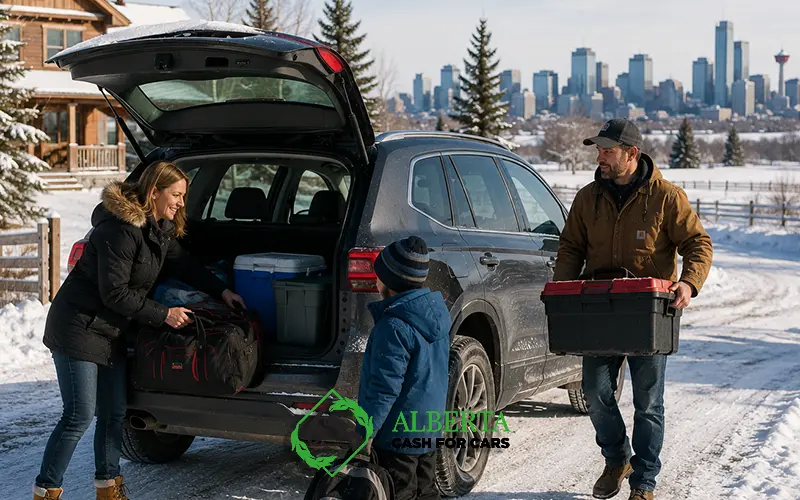
Canada’s geography makes cars a near necessity for most households. The country is huge, the weather is harsh, and public transit only works well in a handful of cities. In Alberta, even Calgary’s transit system can’t replace a car for most suburban or rural commutes. People also need cars for:
- Long commutes between cities and acreages
- Hauling kids, gear, or groceries
- Driving through harsh winters where transit is unreliable
- Work that requires moving between job sites
The Real Cost of Owning a Car
Most Canadians underestimate how much their car actually costs them. The monthly bill includes more than just a loan payment. Common ownership costs include:
- Car payment or lease (if not bought outright)
- Fuel, which jumps fast when gas prices rise
- Insurance, with premiums that vary widely by province and driver
- Maintenance and repairs
- Registration and licensing
- Parking fees in cities like Calgary or Edmonton
Older cars can save you on payments but often cost more in repairs. Newer ones cost more up front but usually need less work.
How Costs Vary Across the Country
Where you live makes a big difference. Ontario and Alberta now have some of the highest car insurance rates in Canada, while Quebec is consistently the cheapest. British Columbia, Manitoba, and Saskatchewan run public insurance systems, which keeps pricing more stable but limits shopping around. Fuel prices also shift by province, and remote or northern areas tend to pay more.
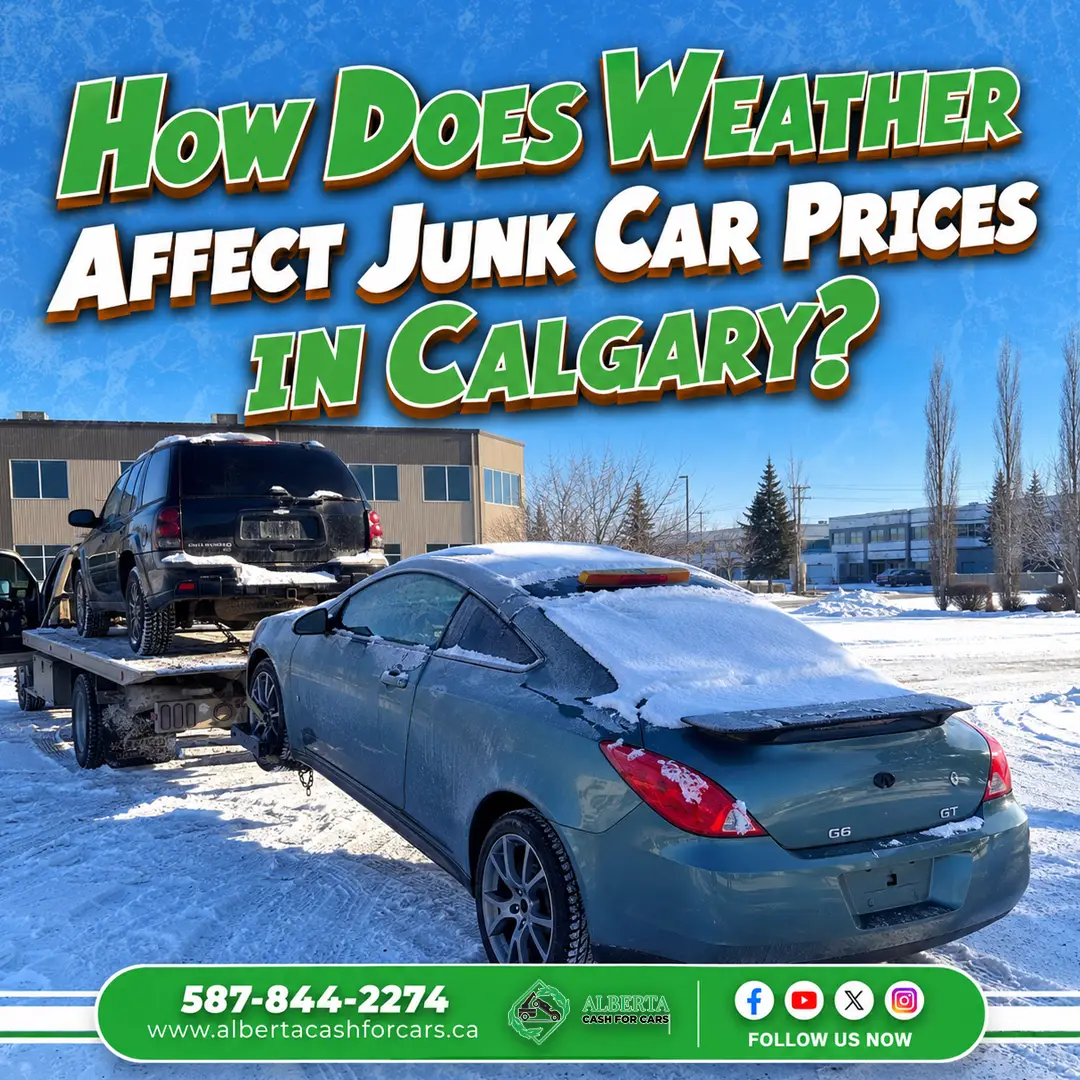
Alberta has historically had lower provincial fuel taxes, but insurance premiums have risen sharply in recent years as claims and repair costs climb. Cold winters also add costs for tires, batteries, and block heaters.
Alternatives to Full Car Ownership
For some Canadians, especially in dense urban areas, owning a car isn’t the obvious choice anymore. Common alternatives include:
- Public transit where it works
- Cycling, with growing bike lane networks
- Ridesharing through Uber or Lyft
- Carshare services for occasional trips
Electric vehicles are climbing too, though they still make up a small slice of Canadian car ownership. Lower fuel costs and tax incentives are pushing more drivers to consider them.
When Owning a Car Stops Making Sense
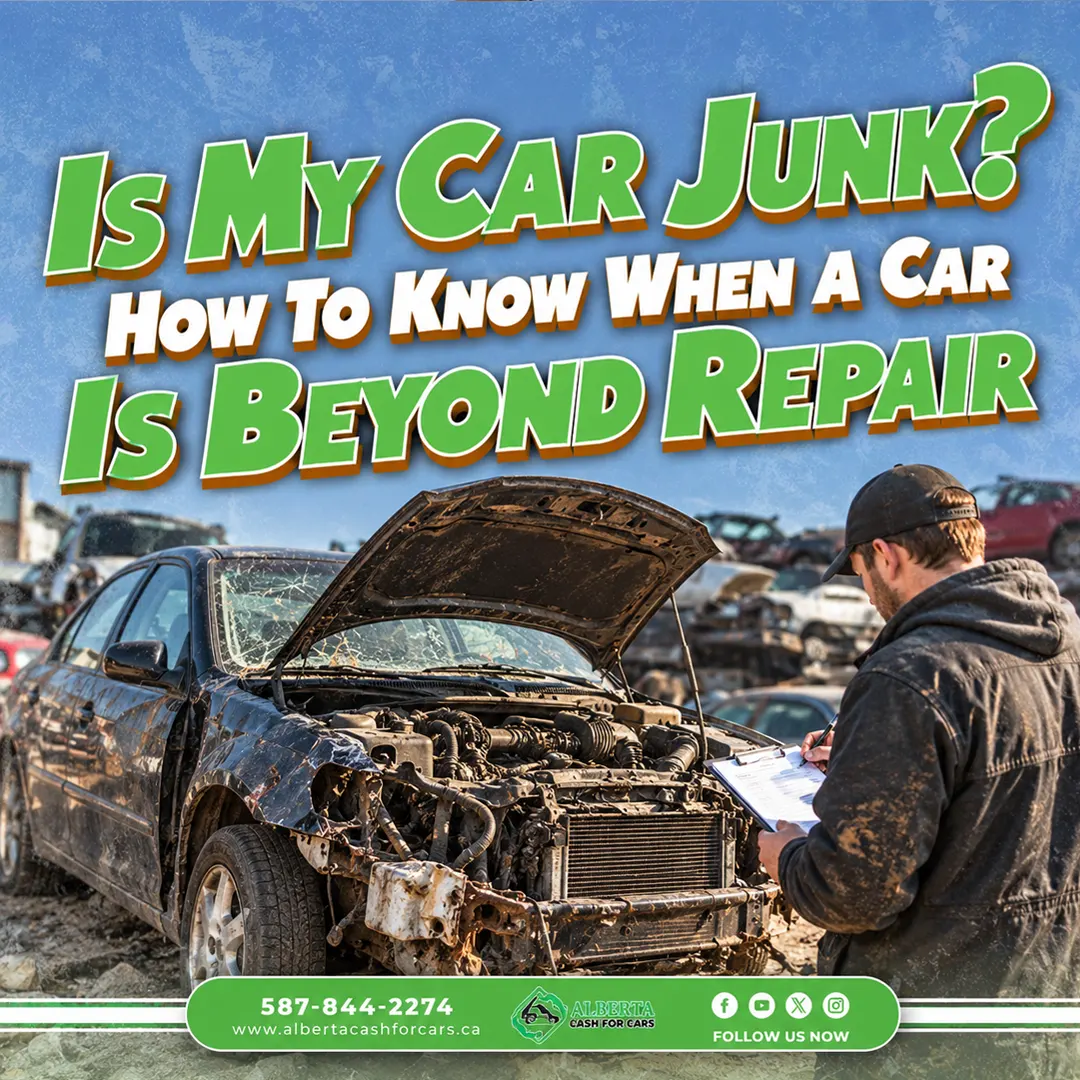
Getting cash for junk cars is usually much simpler than most people expect. Whether your vehicle has been sitting in the driveway for years, was damaged in an accident, or has become too expensive to repair, there are several places where you can sell it. Each option has its own pros and cons, depending on how quickly you want to sell and how much effort you are willing to put into the process.
When You're Ready to Sell or Replace Your Car
If your current car is costing more than it’s giving back, selling is often the smartest financial move. Alberta Cash for Cars makes that step simple. The team buys vehicles across Calgary and around 25 surrounding Alberta cities, and pays cash on the spot. Sellers get:
- Instant quotes with no hidden fees
- Cash paid at pickup, every time
- Same-day pickup in most areas
- Free towing for non-running, junk, or scrap vehicles
- Fair offers on running, used, damaged, accidental, and flooded cars
Whether you’re switching to transit, downsizing to one car, or upgrading to something newer, the process is quick and stress-free. Reach out for a free quote and turn your old car into cash.
Final Word
Car ownership in Canada isn’t going anywhere soon, but it’s changing. Costs are climbing, environmental concerns are growing, and more Canadians are weighing whether one car, or any car, still makes sense for their household. In Alberta, where winters are long and distances are wide, most drivers will keep relying on personal vehicles, but the way they buy, finance, and replace them is shifting.
The smart move is to know your real costs, compare them against your needs, and stay open to changes that save money or hassle. Whether that means keeping your current car longer or moving on from it, the choice should fit your lifestyle and your budget.
Monthly car ownership costs in Canada are higher than most people expect once you add up loan or lease payments, fuel, insurance, maintenance, and registration. Your actual costs depend on your province, driving record, and the type of vehicle you drive.
Quebec usually has the lowest auto insurance rates, thanks to its hybrid public-private system. The Atlantic provinces also tend to have lower rates. Ontario and Alberta are among the most expensive, with rates that have climbed sharply in recent years.
Buying makes more sense if you plan to keep the car for several years, drive a lot of kilometers, or want to avoid long-term monthly payments. Leasing works better if you like driving newer vehicles every few years and prefer lower monthly costs. Each option has trade-offs in flexibility and total cost.
It depends on where you live. In cities like Toronto, Vancouver, or downtown Calgary, public transit and ridesharing can cover most trips. In suburbs, smaller towns, and rural Alberta, a car is usually necessary for daily life.
Sources
Alberta Cash for Cars uses only trusted, high-quality sources to ensure the information in our articles is accurate, reliable, and up to date.
- Statistics Canada. (2024). Vehicle Registrations by Type of Vehicle. Retrieved from statcan.gc.ca
- Insurance Bureau of Canada. (2024). Auto Insurance Costs Across Canadian Provinces. Retrieved from ibc.ca
- Natural Resources Canada. (2024). Fuel Consumption Ratings and Driving Costs. Retrieved from nrcan.gc.ca
- Government of Canada. (2024). Zero-Emission Vehicles in Canada. Retrieved from tc.canada.ca