





Some cars look amazing on the outside but are a complete headache under the hood, turning simple repairs into hours of frustration. For anyone who works on their own car—or pays someone else to do it this can quickly become an expensive and stressful problem.
That’s why knowing which cars are the hardest to work on really matters. It helps you avoid models that could drain your time, money, and patience.
In this article, we’ll highlight the top 10 hardest cars to work on and explain the engineering quirks that make them such a challenge.
What Are the Hardest Cars to Work On?
Some cars are incredibly hard to work on because their engines are tightly packed, making simple repairs nearly impossible without special tools.
High end luxury and performance brands often hide components behind layers of electronics, sensors, and complex systems.
For many mechanics, the hardest cars to work on are those that require removing the entire engine or front end just to fix basic parts.
Top 10 Hardest Cars to Work On
1. Bugatti Veyron:
Sitting at the pinnacle of automotive extravagance, the Bugatti Veyron is a technological marvel. However, its W16 engine, with its intricate layout and cramped engine bay, is a challenge to access, let alone service. Imagine needing a spark plug change it requires removing the entire rear subframe! Mechanics all agree, the Bugatti Veyron is a contender for the absolute hardest car to work on.
2. Lamborghini Aventador:
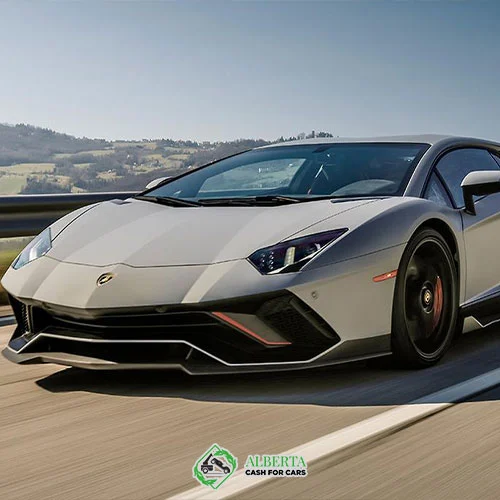
Sharing the spotlight with the Veyron is the Lamborghini Aventador. This Italian masterpiece boasts a complex V12 engine and a low-slung, aerodynamic design. While breathtaking to behold, this design makes reaching even basic components a contortionist’s feat. Mechanics working on the Aventador often require specialized tools and lifts to access certain areas.
3. Ferrari LaFerrari:
Another Italian exotic joins the list – the Ferrari LaFerrari. This hybrid hypercar pushes the boundaries of performance, but servicing it can be a puzzle. The LaFerrari’s electrical components are tightly integrated with the gasoline engine, making any repairs intricate and potentially very expensive. “With the LaFerrari,” confided one mechanic, “you practically need an engineering degree to understand how it all goes together.
4. BMW 7 Series (late 1990s – early 2000s):
German engineering is renowned for its precision, but sometimes that precision can translate to complexity. The BMW 7 Series from the late 90s and early 2000s is a prime example. These luxury sedans are packed with features, but accessing key components often requires removing a maze of electronics and intricate panels. “It feels like they designed the car to be assembled by robots, not serviced by humans,” remarked a mechanic who specializes in European vehicles.
5. Mini Cooper (After 2001):
The iconic Mini Cooper might seem like a friendly little car, but beneath its charming exterior lies a surprising amount of service complexity. BMW’s acquisition of Mini in 2001 led to a shift in design philosophy, with engines placed sideways and components crammed into tight spaces. Swapping a simple light bulb can turn into a frustrating ordeal for mechanics unfamiliar with the car’s quirks.
6. Nissan 300ZX:
This classic Japanese sports car holds a special place in many a car enthusiast’s heart. However, its mid-engine, rear-wheel-drive layout, combined with turbochargers, creates a service nightmare. Accessing the engine often requires removing significant portions of the car’s bodywork. “It’s a fantastic car to drive,” admitted a mechanic, “but working on it? Not so much.”
7. Mercedes-Benz S-Class (Certain Models):
The Mercedes-Benz S-Class is synonymous with luxury and cutting-edge technology. Unfortunately, that technology can come at a cost for mechanics. Some S-Class models, particularly those with complex air suspension systems and advanced driver-assistance features, require specialized tools and extensive diagnostic knowledge. These cars are best left to dealerships with factory-trained technicians.
8. French Cars (Generally):
French car manufacturers have a reputation for prioritizing aesthetics and quirky design choices over ease of service. Peugeot, Citroen, and Renault are all known for vehicles with unconventional layouts and hidden fasteners. Mechanics working on French cars often need a healthy dose of patience and a good parts catalog to navigate the service labyrinth.
9. Electric Vehicles (Early Models):
While electric vehicles (EVs) offer a glimpse into the future, some early models presented unique challenges for mechanics. The placement of high-voltage battery packs and the unfamiliarity of electric drivetrains meant specialized training and tools were often required. Thankfully, newer EVs are being designed with serviceability in mind.
10. Any Heavily Modified Car:
Sometimes, the hardest cars to work on aren’t factory originals, but heavily modified vehicles. Aftermarket parts, custom installations, and extensive performance upgrades can create a tangled mess under the hood. Mechanics unfamiliar with the specific modifications might spend hours deciphering the spaghetti junction of wires and hoses.
Final Thoughts
Some cars are simply built to be a mechanic’s toughest challenge.
From my experience researching and watching mechanics battle with these models, the hardest cars to work on share the same traits, cramped engine bays, complicated electronics, and designs that prioritize performance or styling over practicality. Whether it’s a Bugatti that needs its entire rear end removed or a Mini Cooper that hides basic parts in impossible places, these vehicles remind us that beauty and power often come with a price.
Knowing which cars are notoriously difficult helps you make smarter buying decisions, avoid surprise repair bills, and choose vehicles that fit your budget and skill level. And if you ever decide that a high-maintenance car just isn’t worth the hassle anymore, Alberta Cash for Cars offers a quick, stress-free way to turn that challenge into cash. A little awareness now can save you a lot of frustration later.