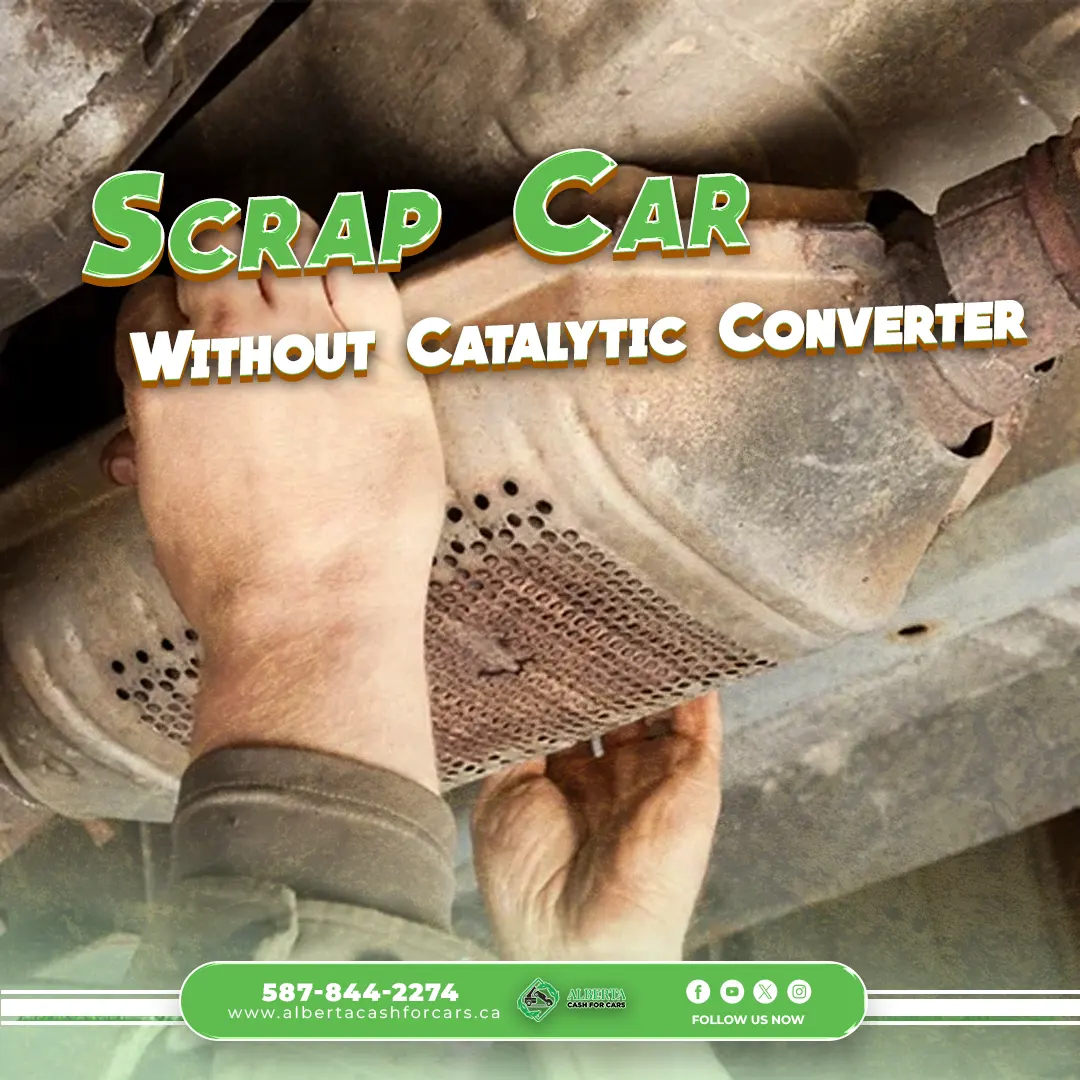




Catalytic converters play an important emissions control role in vehicles, using chemical reactions to convert pollutants into less harmful compounds. However, they also contain precious metals that carry monetary value. This has led to a rise in catalytic converter theft from cars headed for scrap yards. While removing converters carries environmental and legal considerations, some vehicle owners opt to extract and sell the converter before scrapping the rest of the car.
There are a few motivations for scrap car without catalytic converter. The precious metals inside, like platinum, palladium, and rhodium, can be sold separately for hundreds of dollars depending on market prices. Additionally, selling the catalytic converter and the remaining scrap metal maximizes the total payout when disposing of an older car. However, this practice also raises environmental concerns if done irresponsibly or illegally.
Process of Scrap Car Without Catalytic Converter
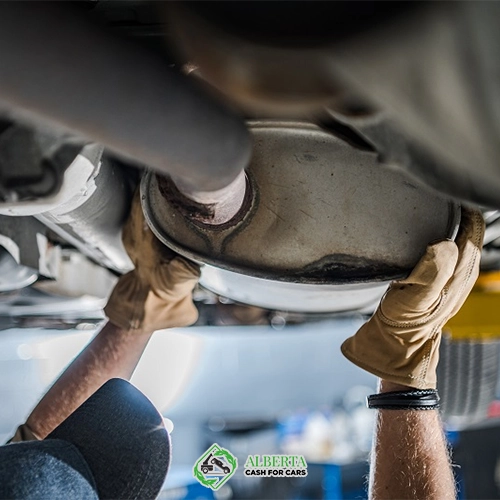
The process of safely and legally scrap car without catalytic converter begins with research and planning. Start by checking local regulations, as some states prohibit removal except for repairs or replacement. If permitted, detach the converter using proper tools while following safety guidelines. The precious metals can then be extracted and sold to recyclers.
Step-by-Step Removal Process
When removing the catalytic converter, raise the vehicle using a jack and support it on jack stands. Locate the converter along the exhaust system. Use a pipe cutter to disconnect it from adjoining pipes. Spray lubricant to loosen the bolts and dislodge them from mounts. Wear safety glasses, gloves, and ear protection. Once removed, retain paperwork showing legal detachment.
Monetizing Extracted Precious Metals
The extracted precious metals can be sold to scrap yards or recyclers for immediate payment—research current market rates when pricing the converter. Provide identification and documentation when selling it.
Evaluate remaining components like the battery, electronics, tires, and wheels for resale potential before scrapping the chassis. This helps maximize the vehicle’s dismantling value. Remove other valuable metals and parts.
Legal Considerations and Compliance
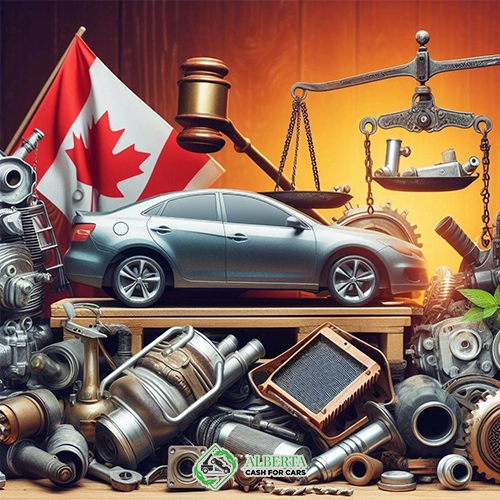
In Canada, the disposal or sale of a scrap car without a catalytic converter may raise legal and environmental concerns. Catalytic converters are crucial components in vehicles as they help reduce harmful emissions by converting pollutants into less harmful substances. Removing or selling a car without a catalytic converter may lead to legal consequences and environmental violations. Here are some key considerations:
- Environmental Regulations
- Waste Management Laws
- Vehicle Safety Standards
- Criminal Code Offenses
- End-of-Life Vehicle Regulations:
- Seller Liability
- Penalties and Fines
Environmental Impact and Responsible Disposal
scrap car without catalytic converter only benefits the environment if done properly, ensuring hazardous components are removed and safely disposed of. The converter itself contains high-demand precious metals, and recycling these materials avoids mining impacts. However, other non-recyclable components require responsible disposal.
Drain all fluids like gasoline, oil, and antifreeze before scrapping the chassis, and dispose of them according to local hazardous waste guidelines. Ensure no mercury switches remain under the hood or in the trunk. Adopt sustainable practices like removing batteries for dedicated recycling programs. Promote environmental stewardship by selecting scrap yards that follow ethical and ecologically sound policies, processes, and compliance. The scrapyard should store and dispose of unrecyclable materials safely while recovering metals for reuse.
Alternatives to Traditional Scrapping
Beyond scrapping through a yard, consider alternatives like selling the entire non-functional vehicle to auto enthusiasts or collectors looking for project cars or affordable parts. Marketplace sites connect with potential buyers willing to purchase old vehicles rather than sending them directly to a crusher.
Donating working parts or the entire vehicle is another option, as some non-profits accept car donations and benefit from auctioning inexpensive vehicles to the public. Repurposing salvageable components also reduces scrapping waste – worn tires can become garden planters or swing seats, for example. Obtain creative ideas online for upcycling old car parts.
Risks and Challenges in Scrapping Without a Catalytic Converter
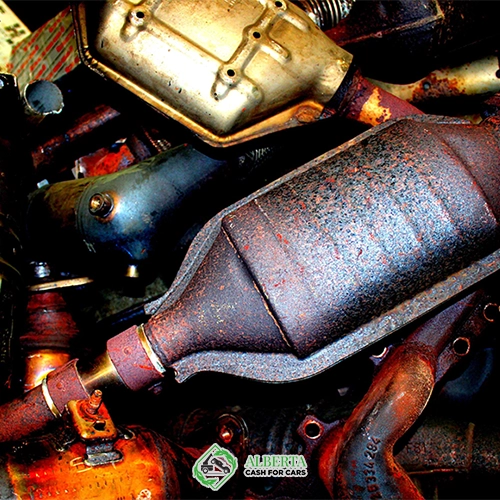
Attempting to scrap car without catalytic converter does carry some inherent risks and challenges. As mentioned, legal repercussions exist if local regulations prohibit removal or if proper title transfer documentation is not completed. Hazards also exist while detaching the converter if appropriate safety precautions are ignored, such as the risk of falling while working under a jacked vehicle.
Environmental contamination from any remaining gasoline or chemicals left in a scrapped car’s tanks or lines also poses regulatory compliance risks and clean-up costs. And while selling the catalytic converter provides additional income, it reduces the scrap value of the remaining chassis. Transportation costs to the yard may diminish profits from parting out certain components.
Educational Outreach and Awareness
Increasing public outreach and awareness around catalytic converter theft and ethical scrapping benefits society. Vehicle owners should be informed on deterrents like etching VINs on converters or using locks to secure them. Scrapyard licensing required paperwork trails and vigilant monitoring of incoming goods also combat black market networks.
Information campaigns can promote responsible scrapping by explaining the proper disposal of hazardous fluids and providing locations to safely turn in old mercury switches. Collaboration between law enforcement, regulators, environmental agencies, and industry expands the impact of educational initiatives surrounding catalytic converter recycling ethics and compliance.
Conclusion
Scrapping old vehicles while extracting and selling their catalytic converters can generate additional income from recycled precious metals. However, following sound environmental practices and legal regulations is imperative. Researching current market values, using proper tools, completing documentation, draining all chemicals, and partnering with reputable yards ensures a safe, compliant, and profitable scrap car without catalytic converter process. Education, collaboration, and oversight continue to improve recycling ethics. Informed vehicle owners making mindful scrapping choices will collectively advance the sustainability of this multi-billion-dollar auto recycling industry.
If you are facing this issue in Alberta, we recommend that you contact us for expert advice. Whether you need advice on legal considerations or are looking for a reputable company to provide cash for scrap cars Calgary, Albert Cash for Cars is here to help, offering top-notch service and the best prices on the market.