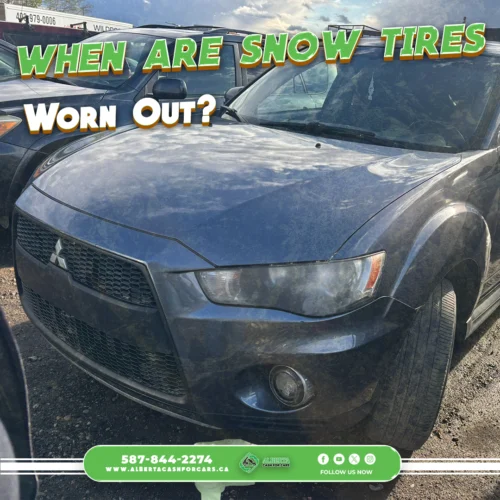





Winter driving in Calgary puts a lot of stress on tires, especially during long stretches of snow, slush, and freezing temperatures. Many drivers continue using winter tires without realizing they’ve already lost much of their traction and cold-weather performance. That becomes a serious safety issue when stopping distances increase and handling starts slipping on icy roads. Knowing when snow tires are worn out helps you stay safer during Alberta winters and avoid unnecessary driving risks. This guide explains the key signs of tire wear, how long winter tires usually last, and when it’s time to replace them.
Ready to Sell? We’re Ready to Buy!
No Hassle, Just Cash – Book Your Free Pickup or Quote Today!
Check the Tread Depth
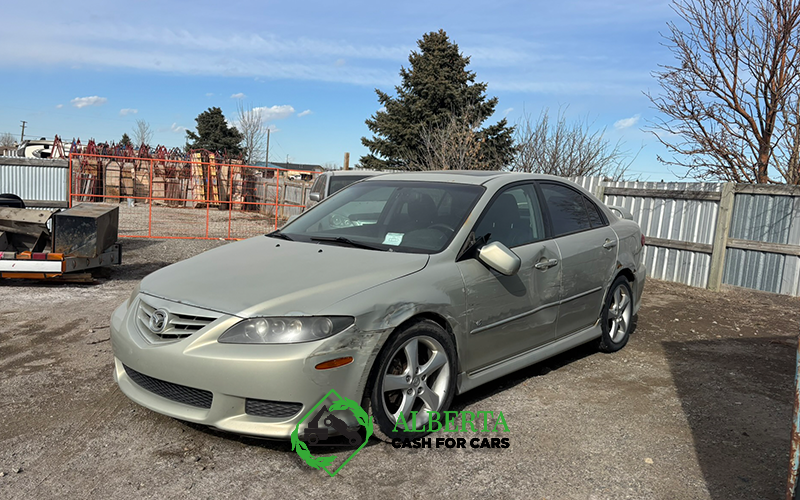
Tread depth is the biggest factor in winter tire performance.
Most new snow tires start with around 10/32″ to 12/32″ of tread depth. While the legal minimum tread depth in Canada is lower, many tire manufacturers and safety experts recommend replacing winter tires once they reach about 5/32″. Below that point, traction on snow and slush drops significantly.
You can check tread depth using:
- A tread depth gauge
- Built-in tread wear indicators
- A quarter or toonie test for a rough estimate
If the grooves no longer clear snow and slush effectively, the tires won’t perform the way they were designed to.
Pay Attention to Winter Handling
Sometimes worn tires show up in how the vehicle feels on the road before the wear becomes visually obvious. If your vehicle feels less stable during winter driving compared to previous seasons, worn tires may be the reason. This becomes especially noticeable during cold Calgary mornings when roads are partially frozen.
Common warning signs include:
- Sliding during turns
- Longer stopping distances
- Reduced grip at intersections
- Difficulty accelerating on snow
- More wheel spin on icy roads
Winter Tires Also Age Over Time
Even if tread depth still looks acceptable, aging rubber can reduce performance. Winter tires use softer rubber compounds that stay flexible in cold weather. As the tires age, the rubber hardens and loses grip, especially in freezing temperatures common across Alberta.
Look for signs like:
Cracking near the sidewall
Dry or brittle rubber
Uneven tread wear
Small chunks missing from the tire surface
Uneven Wear Can Shorten Tire Life
Uneven tread wear is another sign your snow tires may need attention.
This can happen because of:
- Poor wheel alignment
- Incorrect tire pressure
- Suspension problems
- Skipping tire rotations
When one section of the tire wears faster than the rest, traction becomes inconsistent. Rotating winter tires regularly helps extend their lifespan and maintain safer handling.
When Repairs and Tire Costs Start Adding Up
For older vehicles, worn winter tires are sometimes only part of a larger problem. Alberta winters can also lead to rust, suspension wear, battery problems, and brake issues over time.
If your vehicle needs multiple repairs alongside new winter tires, it may be worth considering whether the car still makes sense to keep long term.
Alberta Cash for Cars helps drivers across Calgary and surrounding Alberta communities sell vehicles quickly without the hassle of private listings or repair appointments. The team buys:
- Junk cars
- High-mileage vehicles
- Winter-damaged cars
- Non-running vehicles
- Older SUVs and trucks
- Accident-damaged vehicles
Sellers receive:
- Instant quotes
- Free towing
- Same-day pickup in many areas
- Cash paid at pickup
- No hidden fees
Whether your vehicle’s become unreliable during winter or repairs are starting to pile up, the process stays simple from start to finish.
Conclusion
Knowing when snow tires are worn out plays a major role in winter driving safety across Alberta. Tread depth, tire age, uneven wear, and reduced traction all affect how well your vehicle handles snow, slush, and icy roads. Waiting too long to replace winter tires can increase stopping distances and reduce control when conditions become dangerous.
Drivers who check their winter tires regularly, replace them before performance drops too far, and maintain them properly throughout the season are far better prepared for Calgary’s unpredictable winters. A quick inspection now can help prevent much bigger safety problems once heavy snow and ice return.
Most winter tire experts recommend replacing snow tires once tread depth reaches 5/32″ because winter traction drops significantly below that level.
Most snow tires last around 4 to 6 winter seasons depending on mileage, storage conditions, driving habits, and road conditions.
Yes. Aging winter tires can harden over time, reducing their ability to grip snow and ice even if tread depth still looks acceptable.
In most cases, replacing all four helps maintain balanced traction, handling, and braking performance during winter driving.
Sources
Alberta Cash for Cars uses only trusted, high-quality sources to ensure the information in our articles is accurate, reliable, and up to date.
- Transport Canada. Winter Tires and Safe Winter Driving. Covers winter tire safety, tread performance, and cold-weather driving recommendations in Canada.
- CAA National. Winter Tire Safety Guide. Explains how winter tires improve traction, braking, and handling during Canadian winters.
- Michelin Canada. When to Replace Winter Tires. Covers tread depth recommendations, tire aging, and winter tire performance.
- Bridgestone Tires. How to Check Tire Tread Depth. Explains methods for measuring tire wear and identifying replacement signs.