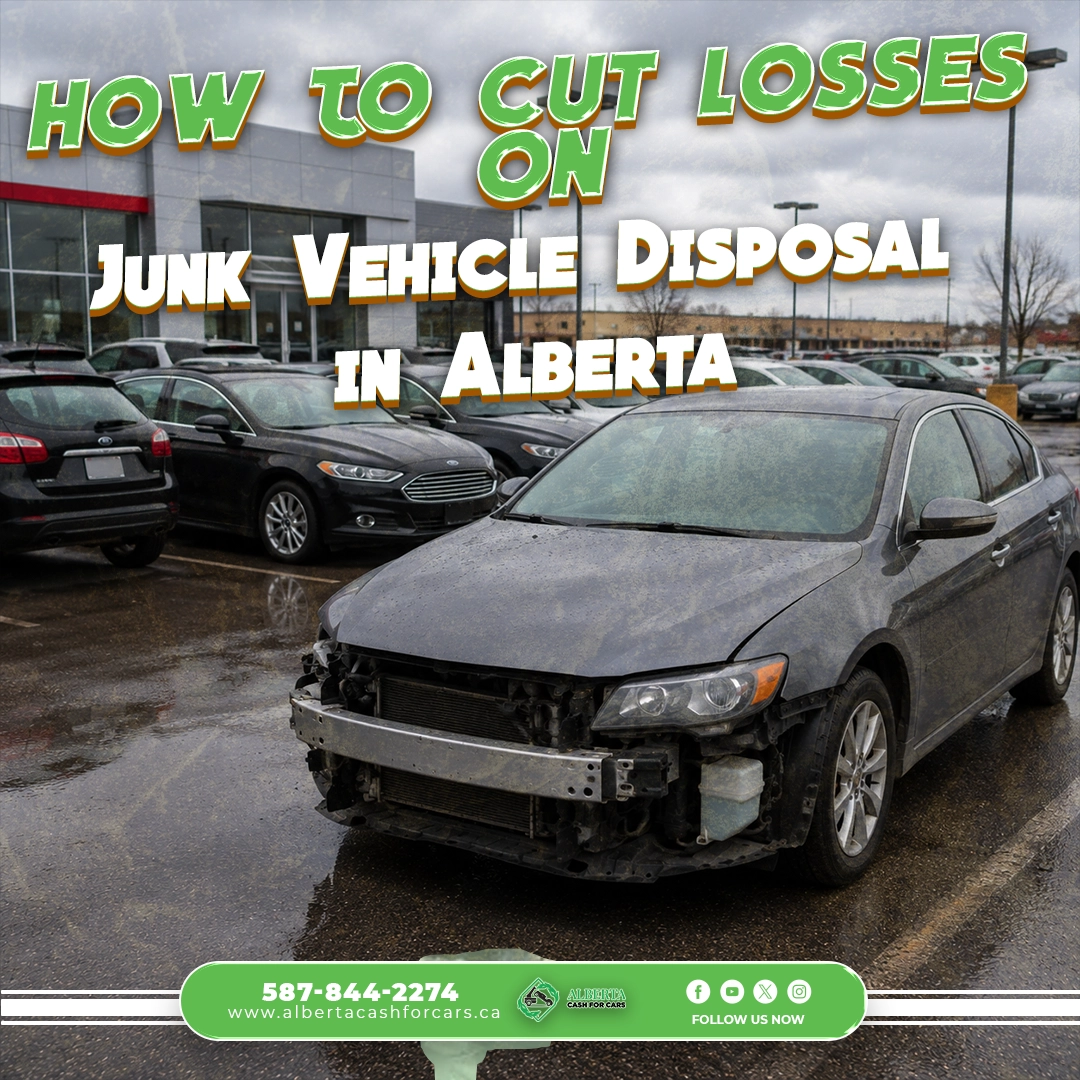



A non-running trade-in doesn’t just sit there quietly losing value. Every week it stays on your lot, it’s costing you in storage, insurance, and lost selling space, and a rushed decision to offload it can cost you even more. If you manage inventory at a small Alberta dealership, you’ve likely faced a junk vehicle that needed to go fast, only to end up with a lowball offer, a missed deadline, or a paperwork mistake that came back to bite you later.
The good news is that most losses on junk vehicle disposal are avoidable. With the right process, the right buyer, and the right documentation, you can move dead inventory quickly without giving away value you didn’t need to lose. This guide walks through exactly how to do that, so your next write-off costs you less and clears your lot faster.
Why Junk Vehicle Losses Add Up Fast for Alberta Dealers
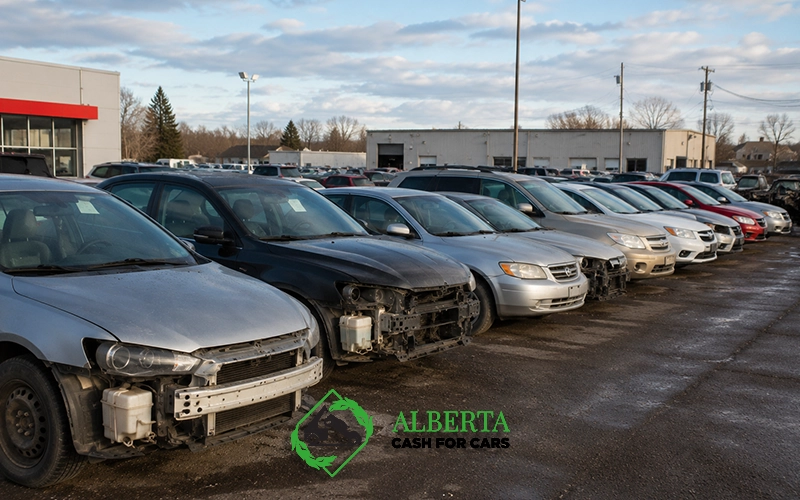
A vehicle that isn’t selling doesn’t just sit idle, it actively works against your numbers. It occupies a stall that could hold saleable inventory, it racks up insurance and storage costs, and the longer it lingers, the worse it tends to look, which can drag down how buyers perceive the rest of your lot.
These losses compound because of how long vehicles stay on Canadian roads before they’re finally retired. The average vehicle in Canada is now around 10.5 years old, a number that’s climbed steadily as new vehicle prices have risen and owners hold onto cars longer.[^1] That means more trade-ins are arriving in genuinely non-saleable condition, and dealers are processing a higher volume of true write-offs than they were a decade ago. The faster and more accurately you can identify which units belong in the junk disposal pile versus the reconditioning pile, the less money gets tied up in vehicles that were never going anywhere.
Common Junk Car Removal Mistakes That Cost Dealers Money
Most of the losses we see on junk vehicle disposal trace back to a handful of repeatable mistakes:
- Accepting the first quote without comparing. A single phone quote rarely reflects what a vehicle is actually worth, especially if it still has a working transmission, decent tires, or recoverable electronics.
- Skipping a written quote. Verbal pricing can shift once a tow truck arrives and the buyer sees the vehicle in person, leaving the seller with less than expected.
- Letting the vehicle sit too long. The longer a non-running unit sits, the more it’s exposed to weather damage, theft of parts, and continued storage costs.
- Mishandling the paperwork. Forgetting to cancel the registration or properly document the transfer can leave a dealership liable for tickets, tolls, or incidents tied to a vehicle it no longer owns.
- Not confirming towing costs upfront. Some buyers quote a price and then deduct an unexpected towing fee at pickup, cutting into the final payout.
A Smarter Process for Local Vehicle Disposal
Cutting losses comes down to following a consistent process every time a vehicle is flagged as non-saleable.
| Step | What to Do | Why It Matters |
|---|---|---|
| 1. Assess Condition Honestly | Note Mileage, Drivetrain Status, and Any Usable Parts | Determines Whether It's a Scrap-Only Unit or Has Parts Value |
| 2. Get More Than One Quote | Compare at Least Two Buyers Before Committing | Avoids Leaving Money on the Table From a Lowball Offer |
| 3. Get the Quote in Writing | Confirm Price and Towing Terms Before Pickup | Prevents Last-Minute Price Changes |
| 4. Schedule Pickup Promptly | Don't Let the Vehicle Sit for Weeks | Reduces Storage Costs and Damage Risk |
| 5. Complete the Paperwork | Bill of Sale, Release of Liability, Registration Cancellation | Protects the Dealership From Future Liability |
This kind of process doesn’t take much longer than handling things ad hoc, but it consistently produces better payouts and fewer headaches down the line.
Used Vehicle Disposal Paperwork You Can't Skip
This is the step that gets overlooked most often, and it’s also the one with the most downside if it’s missed. Once a vehicle is sold or scrapped, Alberta requires the registration to be formally cancelled at a registry agent, a step that involves surrendering the plate and filing a Licence Plate/Parking Placard Cancellation Declaration.Skipping this step means the dealership can remain on record as connected to the vehicle, which creates exposure if it’s later involved in an accident, parking violation, or unpaid toll.
Alongside registration cancellation, make sure you keep a signed bill of sale and a release of liability for every junk vehicle disposed of. Automotive businesses in Alberta operate under licensing and disclosure standards set by the Alberta Motor Vehicle Industry Council, and keeping a clean paper trail protects your dealership if any questions come up about a vehicle’s chain of ownership after it’s left your lot.[^3]
Compliant Car Buying Services vs Cutting Corners
Cutting losses doesn’t mean cutting corners. A compliant disposal process actually protects your margin in two ways: it avoids fines or liability tied to incomplete paperwork, and it ensures you’re working with buyers who price fairly instead of disappearing the moment a tow truck pulls away. One pattern that shows up again and again with lots that skip the comparison step: the vehicles that get the worst payouts aren’t the ones in the worst condition, they’re the ones a dealer rushed to offload to the first buyer who answered the phone. A buyer who’s upfront about pricing, confirms terms in writing, and helps you handle documentation correctly is worth more to your bottom line than one offering a slightly higher number with none of that built in.
Move Junk Vehicles Off Your Alberta Lot Without the Losses
If you’re ready to clear non-saleable inventory without leaving money on the table or chasing down missing paperwork, call us at +1 (587) 844-2274 or email [email protected]. We’ve handled enough trade-ins off Alberta lots to know that a quote based on actual condition, not just a guess over the phone, makes the difference between a fair payout and a frustrating one, and we’ll walk you through the documentation so nothing comes back to your dealership later.
The Bottom Line on Junk Vehicle Disposal
Cutting losses on junk vehicle disposal isn’t about finding a shortcut, it’s about building a process that catches the small mistakes that quietly cost dealers money: accepting the first offer, letting vehicles sit too long, and skipping the paperwork that protects the business after the sale. With more vehicles reaching the end of their road life every year across Alberta, having a consistent, compliant approach to disposal isn’t just good practice, it’s a real factor in how much value you recover from inventory that would otherwise sit there losing money. Get the process right once and it pays off on every junk vehicle that comes through your lot after.
References
Sources
Alberta Cash for Cars uses only trusted, high-quality sources to ensure the information in our articles is accurate, reliable, and up to date.
Auto Service World, “Why’s Canadian Average Vehicle Age So Low?” reporting on S&P Global Mobility data presented at the AIA Canada National Conference, 2024. https://www.autoserviceworld.com/whys-canadian-average-vehicle-age-so-low/
Government of Alberta, “Cancel a Vehicle Registration,” 2025. https://www.alberta.ca/cancel-vehicle-registration
Alberta Motor Vehicle Industry Council (AMVIC), “Business Licence Classes,” 2024. https://www.amvic.org/business/business-licence/business-license-classes/