


A blown engine doesn’t mean a worthless car. It means most of the usual selling options are off the table. Private buyers walk away, dealerships lowball you, and repair costs in Alberta typically run $4,500 to $12,000 CAD, often more than the vehicle is worth. That leaves a lot of Alberta drivers stuck, unsure how to sell a car with engine problems or what they’ll realistically get for it. There are buyers in this province who specifically purchase these vehicles, pay based on parts and body value, and handle towing at no cost. This guide covers who buys, what the value of a car with a blown engine is in Alberta, and what to prepare before you sell.
Who Buys Cars With Blown Engines in Alberta?
Not every buyer will touch a vehicle with serious engine damage, but these three will:
- Cash for cars buyers: The fastest option for selling a car with engine problems. They assess the vehicle based on parts value, body condition, and weight, make an offer, and pick it up for free. No repairs or certification required.
- Junkyards and salvage yards: They buy for scrap metal and reusable parts. Offers tend to be lower, but it’s a straightforward transaction and most include free towing.
- Private buyers: Mechanics and DIY rebuilders sometimes buy blown engine vehicles to fix or part out. The payout can be higher, but finding the right buyer takes time.
Many people also ask whether you can sell a car with a seized engine, and the answer is the same: a seized engine is treated identically to any other form of severe engine failure by all three buyer types. As for whether you can trade in a car with engine problems at a dealership, you can trade in a car with a blown engine that way, but the value will reflect scrap or auction pricing rather than fair market value. A cash-for-cars buyer will almost always offer more.
What Is the Value of a Car With a Blown Engine in Alberta?
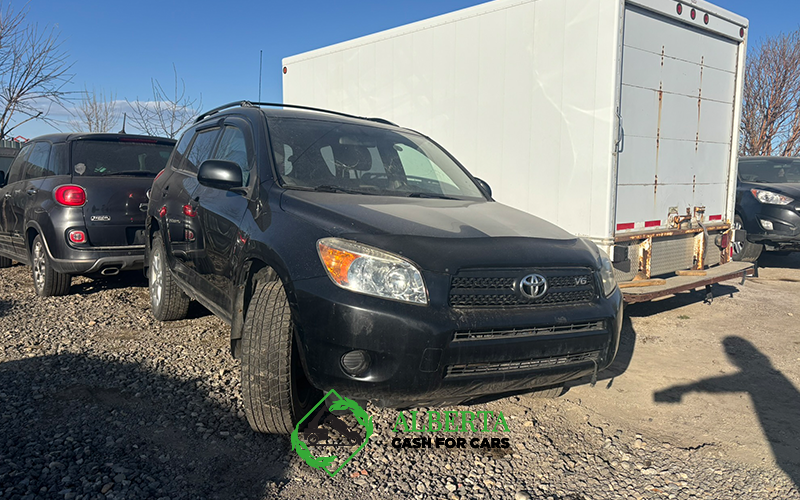
The value of a car with a blown engine depends on several factors. Here’s a general breakdown of what to expect when selling a car with a blown engine in the Alberta market:
| Vehicle Type | Typical Payout Range (CAD) | Key Value Factors |
|---|---|---|
| Older Sedan or Compact | $300 – $800 | Scrap Metal Weight, Basic Parts |
| Mid-Size Car or Minivan | $500 – $1,500 | Body Condition, Transmission, Interior |
| SUV or Crossover | $800 – $2,500 | Drivetrain, Catalytic Converter, Electronics |
| Truck (Half-Ton or Higher) | $1,000 – $3,500 | Frame Condition, 4x4 System, Bed and Cab Parts |
The parts themselves hold real value even when the engine doesn’t. Catalytic converters, transmissions, doors, hoods, infotainment screens, and wheels all have resale value, which is why cash-for-cars buyers can still make competitive offers on vehicles that won’t start.
Your Options for Selling a Blown Engine Car Side by Side
A common question is whether trading in a car with engine problems or selling outright gets you more. The answer depends on your priorities. Here’s how each option compares:
| Option | Speed | Payout | Effort |
|---|---|---|---|
| Cash for Cars Buyer | Same Day | Fair Market | Very Low (They Come to You) |
| Dealership Trade-In | Same Day | Low (Scrap Level) | Low (Convenient if Buying Another Car) |
| Junkyard / Salvage Yard | 1–3 Days | Low | Low (Some Offer Free Towing) |
| Private Sale | Weeks | Varies | High (Negotiation, Disclosures, Logistics) |
| Parting It Out | Weeks to Months | Highest Potential | Very High (Time, Space, and Knowledge Required) |
When you sell a car with a seized engine, it’s treated the same as any other form of severe engine failure, and the same buyers will take it. Can you trade in a car with engine problems at a dealership instead? You can, and you can also trade in a car with a blown engine the same way, but the value will reflect scrap or auction pricing. A cash for cars buyer will almost always offer more.
What to Have Ready Before You Sell
A little preparation prevents delays and protects you legally. Have these on hand before you call a buyer:
- Vehicle registration and proof of ownership: Required to complete the transfer in Alberta.
- Valid government-issued ID: Any buyer will ask for this before finalizing the sale.
- A bill of sale: Recommended for all transactions. It records the price, date, and both parties, and protects you from future liability.
- Clear title: If there is still a loan on the vehicle, contact your lender before accepting any offer. Selling with an undisclosed lien is a legal issue in Alberta.
Getting quotes from at least two buyers is worthwhile. Payouts for the same vehicle can vary by several hundred dollars.
Conclusion
If you’re unsure what to do with a car with a blown engine, selling it is almost always the right move. Once you know who buys and what they pay, it stops being a problem and becomes a transaction. For most people looking to sell a car with a blown engine quickly and without hassle, a cash-for-cars service hits the right balance of speed, value, and convenience.
At Alberta Cash for Cars, we buy vehicles with blown and seized engines across Calgary, Edmonton, Red Deer, Lethbridge, and over 50 communities throughout the province. Free pickup, straightforward offer, same-day service.
Call +1 (587) 844-2274 or email [email protected] to get your offer.