


Selling one car is simple enough. Selling several a year, whether you’re managing a small fleet, clearing out trade-ins, settling an estate, or just someone who upgrades vehicles often, is a different problem entirely. Without a reliable channel, repeat sellers in Calgary end up re-learning the process every time, comparing offers from scratch and losing time they don’t have. A dependable local car buying service solves that by giving you one consistent process you can return to whenever you need it. Getting this right matters because the wrong channel can mean lower payouts, slower turnaround, or compliance headaches down the line.
This guide compares the main types of car buying services available in Calgary so you can pick the one that actually fits how often you sell.
Ready to Sell? We’re Ready to Buy!
No Hassle, Just Cash – Book Your Free Pickup or Quote Today!
Why Repeat Sellers in Calgary Need a Reliable Disposal Channel
A private owner selling a single vehicle has the luxury of shopping around. A business that’s offloading vehicles regularly, a property manager clearing an estate, or a small dealer moving trade-ins doesn’t have that luxury. Every extra day a vehicle sits costs money, and every inconsistent process adds friction to a task that should be routine. Calgary’s used vehicle market is also large enough that “local car buyer” covers a wide range of operations, from licensed dealers and wholesalers to independent recyclers, so it helps to understand what each type of buyer actually offers before committing to one as your go-to.
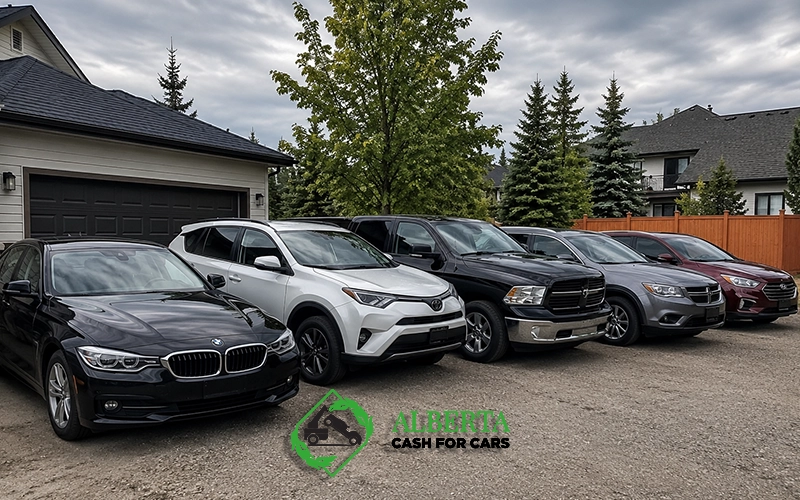
The Main Types of Local Car Buying Services in Calgary
Most repeat sellers in Calgary end up choosing between four broad categories of buyer.
- Instant cash offer services. These companies buy directly from sellers, often within a day, without requiring a listing or a back-and-forth negotiation. They’re built for speed and convenience rather than maximizing every last dollar.
- Dealer trade-in and wholesale buyers. Franchise and independent dealers will often buy vehicles outright even without a corresponding purchase, particularly when they’re short on a specific type of inventory.
- Wholesale auctions. ADESA Calgary and Manheim Edmonton both operate in Alberta and give sellers access to a bidding pool of registered dealers, though this route involves scheduling, transport, and a final price that depends on who shows up to bid.
- Licensed auto recyclers. For older or end-of-life vehicles, members of the Alberta Automotive Recyclers & Dismantlers Association (AARDA) process roughly 55,000 vehicles a year across the province under the Canadian Auto Recyclers’ Environmental Code, making them the right channel once a vehicle is no longer worth retailing.
In our day-to-day work buying directly from Calgary sellers, the businesses that get the most value tend to be the ones who match the vehicle to the right channel instead of defaulting to whichever buyer they used last time.
How These Options Compare for Speed, Price, and Volume
| Channel | Typical Turnaround | Best Fit |
|---|---|---|
| Instant Cash Offer Service | Same Day to Next Day | Repeat Sellers Who Value Speed and Certainty Over Maximum Price |
| Dealer Trade-In / Wholesale | Days to a Couple Weeks | Sellers with Newer, Retail-Ready Vehicles |
| Wholesale Auction (ADESA, Manheim) | One to Several Weeks | Higher-Volume Sellers Who Can Absorb Auction Fees and Timing |
| Licensed Auto Recycler | Same Day to a Few Days | End-of-Life, Damaged, or Non-Running Vehicles |
There’s no single best option here. The right choice depends on whether the priority is speed, price, or simply clearing volume, and that answer often changes from one vehicle to the next.
What Makes a Local Car Buyer Reliable for Repeat Business
Licensing is the clearest signal of a trustworthy buyer in Alberta. Wholesalers and recyclers operating in the province need an AMVIC licence, and wholesalers specifically may be required to post a $50,000 security bond with AMVIC as a condition of operating. Auto recyclers handling end-of-life vehicles in Calgary also fall under the city’s Business Licence Bylaw 32M98 as a Salvage Yard/Auto Wrecker, and under Alberta’s Scrap Metal Dealers and Recyclers Identification Act, which requires government-issued ID and a recorded transaction for every purchase. None of this is paperwork for its own sake. It exists to keep the trade in stolen vehicles and parts out of the legitimate market, and a buyer who follows it consistently is one you can rely on transaction after transaction.
Building a Repeat Vehicle Disposal Process That Scales
Once you’re selling more than the occasional vehicle, it’s worth setting up a process rather than starting fresh each time. A few steps make that easier:
- Pick a primary channel for your most common vehicle type. Most repeat sellers have a dominant pattern, whether that’s late-model trade-ins or older fleet vehicles, so build around what you actually sell most.
- Keep a backup channel for outliers. A damaged or very high-mileage unit needs a recycler, not a retail-focused buyer, so know who to call before the situation comes up.
- Confirm licensing before the first transaction. Ask for an AMVIC licence number and check it if you haven’t worked with the buyer before.
- Standardize your paperwork. Keep a simple record of every sale, including buyer, price, and date, so reconciling your books or responding to an audit takes minutes instead of hours.
Get a Fast, Fair Offer on Your Next Vehicle
If you’re managing repeat vehicle sales and want one reliable number to call instead of shopping around every time, Alberta Cash for Cars can give you a same-day offer. Call +1 (587) 844-2274 or email [email protected] to get started, whether it’s a single vehicle or an ongoing arrangement.
Final Thoughts
Calgary has no shortage of ways to sell a vehicle, but not all of them suit a seller who’s doing this regularly. Instant cash offer services work best when speed and certainty matter most, dealer trade-ins make sense for newer retail-ready stock, wholesale auctions suit higher-volume sellers who can absorb the timeline, and licensed recyclers are the right home for vehicles that have reached the end of the road. Alberta’s AMVIC licensing requirements and the Scrap Metal Dealers and Recyclers Identification Act both exist to keep that market legitimate, and checking for them is a quick way to separate a dependable buyer from a risky one. Building a simple, repeatable process around the right mix of these channels saves time on every future sale, not just the next one.
Sources
Alberta Cash for Cars uses only trusted, high-quality sources to ensure the information in our articles is accurate, reliable, and up to date.
- Alberta Automotive Recyclers & Dismantlers Association (AARDA), “About,” https://aarda.com/About
- CARI-ACIR, “Alberta Chapter,” https://cari-acir.org/alberta-chapter/
- ADESA Canada, auction locations including Calgary, https://www.adesa.ca/
- Manheim Edmonton, auction information, https://www.manheime.ca/
- City of Calgary, “Catalytic Converter Transactions” and Business Licence Bylaw 32M98 details, https://www.calgary.ca/for-business/licences/catalytic-converter-transactions.html
- Government of Alberta, Scrap Metal Dealers and Recyclers Regulation, Alta Reg 124/2020, https://www.canlii.org/en/ab/laws/regu/alta-reg-124-2020/latest/alta-reg-124-2020.html
- MDA Alberta, “AMVIC Business License – Check All that Apply,” https://www.mdaalberta.com/amvic-business-license-check-all-that-apply