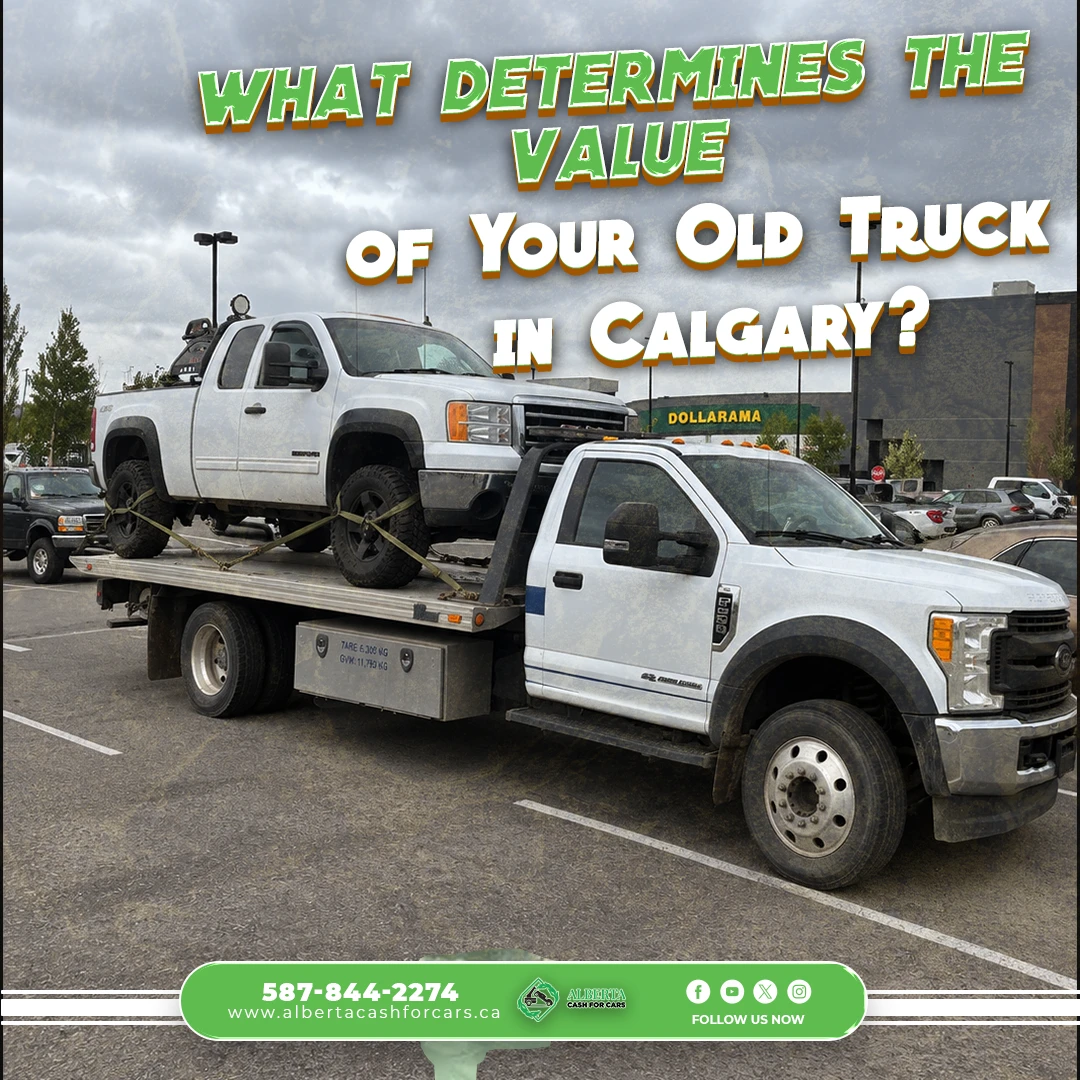





An old truck’s value comes down to six things working together: mileage, mechanical condition, rust location, four-wheel drive, make and model demand, and which selling method you choose, not simply how many years have passed since it rolled off the lot. A 2010 half-ton with a clean frame and full service history and a 2010 half-ton with rust creeping into the frame rails aren’t the same truck, even though both are “16 years old.”
This guide breaks down each of these six factors and explains how they interact, so you know what your specific truck is actually working with before you start pricing it.
Ready to Find Out What Your Truck Is Actually Worth?
If you’d rather skip the estimating and get a real number based on your truck’s actual condition, sell my truck for cash in Calgary through Alberta Cash for Cars gives you a straightforward answer without the guesswork. We serve Calgary and more than 50 Alberta communities. Get a quote or email [email protected] for a free, no-obligation quote.
Why Two Trucks the Same Age Can Be Worth Completely Different Amounts
Age is really just a proxy for a handful of other things, mileage, wear, and how much has been maintained versus neglected, and once you separate age from those underlying factors, it stops being a reliable predictor on its own.
A 16-year-old truck driven mostly on paved city roads and serviced on schedule can be in genuinely better mechanical shape than a 10-year-old truck used hard on gravel roads or left to sit through several Alberta winters without attention.
| Truck A | Truck B |
|---|---|
| 2010 model, 16 years old | 2010 model, 16 years old |
| Highway-driven, city roads | Gravel roads, heavy use |
| Regular scheduled maintenance | Sporadic or deferred maintenance |
| Clean frame, no structural rust | Frame corrosion developing |
| Result: strong resale value | Result: significantly lower value |
Same model year, same badge on the tailgate, and a real gap in what each one is actually worth once mileage, rust, mechanical condition, and demand for that specific model are factored in together.
Estimated Value vs. Private-Sale Value vs. Trade-In Value vs. Cash Offer: What's the Difference?
These four numbers get used interchangeably, but they’re genuinely different, and knowing which one you’re actually looking at avoids a lot of confusion.
| Value type | What it actually is | Effort required | Typical result |
|---|---|---|---|
| Estimated value | A starting-point range from an online tool or similar listings | None | Useful for orientation, not for pricing |
| Private-sale value | What an actual buyer pays you directly | High, listing, screening, negotiating | Usually the highest of the four |
| Trade-in value | What a dealership offers toward another purchase | Low | Lower, since the dealer needs resale margin |
| Cash offer | What a direct buyer pays based on current condition | Low | Fast, reflects real condition, no guesswork |
None of these four numbers is “wrong,” they’re just answering different questions, and the right one depends on what you’re actually optimizing for, maximum price or minimum effort.
Does High Mileage Reduce a Truck's Value?
Generally, yes, but less predictably than people assume, and how a truck was driven often matters as much as how far.
- Highway kilometers: typically easier on a drivetrain, less stop-and-go wear
- City driving: harder on transmissions, brakes, and engine components over the same distance
- Towing history: accelerates wear regardless of total mileage shown
Two trucks with similar odometer readings can be in noticeably different mechanical shape depending on which of these applied. This is covered in more depth in selling a car with high mileage and the broader mileage effect on car value, both of which apply to trucks the same way they do to any vehicle, mileage is one input among several, not a number that overrides everything else.
Does Rust Reduce a Truck's Value in Calgary?
Yes, though where the rust is located matters far more than how much of it you can see. Alberta’s winter road salt is genuinely hard on vehicles, and Calgary trucks accumulate corrosion in predictable places over the years, wheel wells, rocker panels, the underside of the box.
Surface Rust vs. Frame Rust
| Surface rust | Frame rust | |
|---|---|---|
| Appearance | Reddish-brown discoloration on body panels | Flaking, pitting, or holes in frame rails |
| Severity | Largely cosmetic | Genuine safety concern |
| Effect on value | Minor | Significant |
| What to check | Body panels, wheel wells | Frame rails, suspension mounting points |
This distinction isn’t just industry opinion. Alberta’s own Commercial Vehicle Inspection Manual formally defines “rust jacking,” rust buildup that causes lifting, separation, or bulging in components meant to stay in contact, including frame, suspension, and body components, as a genuine safety-related inspection criterion.
A truck with clean surface rust and a solid frame is in a completely different category than a truck with the same amount of visible surface rust but frame corrosion underneath, even though they might look similar from the outside.
Does the Body Material Make a Difference?
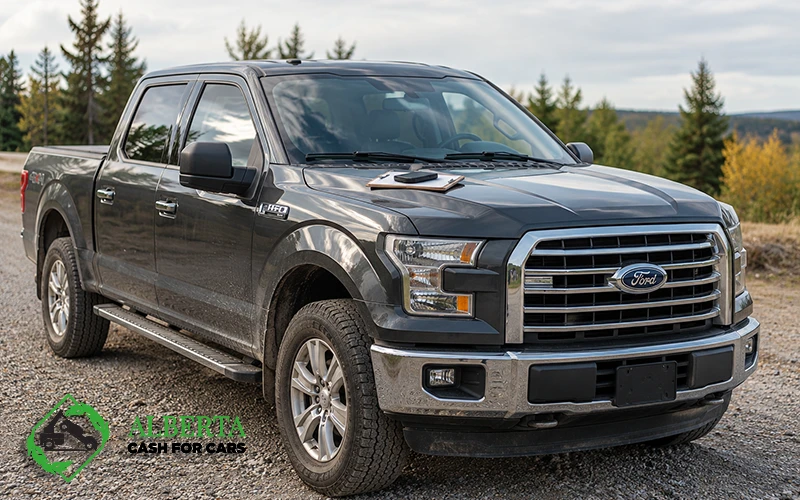
Ford’s F-150 uses a high-strength, military-grade aluminum alloy body paired with a fully-boxed, high-strength steel frame, a combination Ford lists directly on its own current F-150 specifications. Aluminum panels are inherently more resistant to the kind of surface corrosion steel panels develop over years of exposure to road salt, since aluminum doesn’t rust the way steel does. This is a real, material difference in how a truck’s body holds up over time in Alberta winters specifically.
It’s worth being precise about what this does and doesn’t cover, though: the frame remains steel regardless of body material, so an aluminum-bodied truck can still develop the more serious frame rust covered above. Aluminum only changes the outlook for the body panels, not the structural frame underneath.
Are Old Trucks With Mechanical Problems Still Worth Money?
Yes, mechanical problems reduce value, they don’t eliminate it. A truck with a transmission issue, an engine problem, or another significant mechanical fault still has real value in a few places:
- The frame, if it’s solid
- Remaining functional components, drivetrain parts, electronics, body panels
- Weight, which holds baseline value regardless of what’s broken
This is covered in detail in common truck problems in Alberta, which walks through the specific issues that tend to show up most often in this climate and driving environment, and how they typically affect a truck’s condition assessment.
Does Four-Wheel Drive Increase Truck Value in Calgary?
Generally, yes, and this is one of the more genuinely Alberta-specific factors in the whole list. Given winter driving conditions and the number of rural and gravel roads across the province, 4WD capability is something local buyers actively look for rather than treat as a nice-to-have.
This supports demand and resale value for 4WD trucks more than it would in a region where winter driving and rough terrain are less common. A 2WD version of the same truck, same year, same mileage, typically sells for less here specifically because the buyer pool wanting that configuration is smaller.
How Much Does Make, Model, and Trim Actually Matter?
A significant amount, and it compounds with everything else rather than acting as a separate, isolated factor. A few things are worth understanding about how this plays out in practice, since it’s not just “popular brands sell for more”:
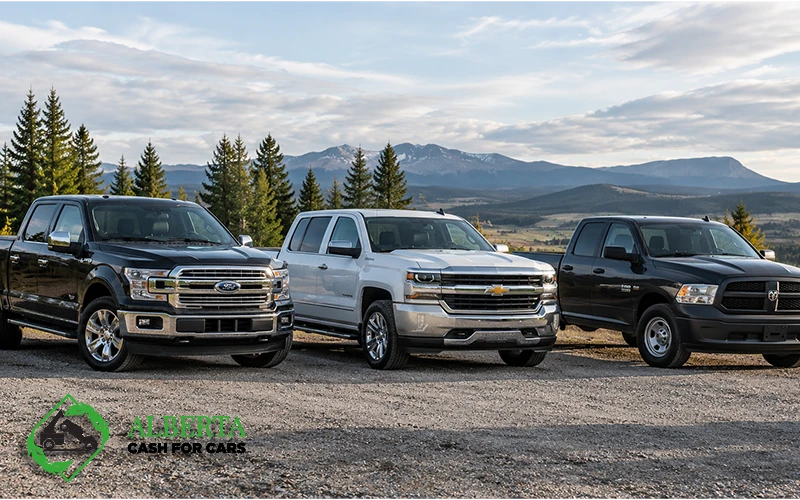
- Base demand by brand. Ford F-150, Chevrolet Silverado, and Ram 1500 models remain consistently in demand across the Calgary market.
- Trim level within that model. Higher trims with more features generally hold a proportional edge over base trims of the same model and year.
- How much that gap narrows with age. As a truck ages, mechanical condition starts to matter more than feature content, and the trim-level gap shrinks accordingly.
Exact current pricing varies enough by trim, mileage, and condition that a specific range isn’t meaningful without those details. An independent valuation tool like Canadian Black Book gives a more accurate, vehicle-specific starting point than any general figure could.
Should You Repair Your Old Truck Before Selling It?
It depends on comparing the repair cost against what it’s actually likely to add back to your offer, the same calculation that applies to any vehicle.
Usually worth doing:
- A cheap, confirmed fix (a sensor, a minor mechanical issue)
- Anything that removes a specific objection a buyer would otherwise negotiate against
Usually not worth doing on an older truck:
- A transmission rebuild
- Significant frame work
- Any repair where the cost approaches or exceeds what it adds to the final price
For more general guidance on which repairs tend to be worth it, tips to get more money for your used car covers the broader decision-making process that applies here too.
What's the Best Way to Actually Estimate Your Truck's Value?
Pulling everything covered so far into an actual process, here’s how to arrive at a realistic number for your specific truck rather than relying on age or a single factor alone:
- Start with a general valuation tool for a rough ballpark figure, the same approach covered in used car valuation in Alberta.
- Adjust for mileage pattern, not just the odometer number, but how those kilometres were driven.
- Check for frame rust specifically, not just surface corrosion.
- Factor in mechanical condition, and whether any issues are worth fixing first.
- Confirm drivetrain and demand, 4WD vs. 2WD, and current interest in that specific make and model.
- Decide which of the four value types actually fits your situation, private sale, trade-in, or a direct cash offer, based on how much time and effort you want to spend.
Key Questions Answered
What determines the value of an old truck?
How much is my old truck worth in Calgary?
Does high mileage reduce truck value?
Does rust reduce the value of a truck?
Are old trucks with mechanical problems still worth money?
Does four-wheel drive increase truck value in Calgary?
Should I repair my old truck before selling it?
What is the best way to estimate an old truck's value?
Ready to Find Out What Your Truck Is Actually Worth?
If you’d rather skip the estimating and get a real number based on your truck’s actual condition, sell my truck for cash in Calgary through Alberta Cash for Cars gives you a straightforward answer without the guesswork. We serve Calgary and more than 50 Alberta communities. Get a quote or email [email protected] for a free, no-obligation quote.
The Final Words
There’s no single value for every old truck in Calgary, and age alone tells you very little on its own. Mileage, rust location, mechanical condition, 4WD, and make and model demand all interact together, and the same truck can be worth meaningfully different amounts depending on whether you’re looking at a private-sale estimate, a dealership trade-in, or a direct cash offer. Frame rust matters far more than surface rust, mechanical problems reduce value without eliminating it, and knowing which of the four value types you’re actually comparing is what keeps the whole process from feeling like guesswork.
References
Sources
Alberta Cash for Cars uses only trusted, high-quality sources to ensure the information in our articles is accurate, reliable, and up to date.
- Government of Alberta – Standard bill of sale
https://www.alberta.ca/standard-bill-sale - AMVIC (Alberta Motor Vehicle Industry Council) – consumer guidance on buying and selling used vehicles
https://www.amvic.org/consumer/buying-a-vehicle/buying-used/ - Canadian Black Book – Vehicle valuation tool, current and historical Canadian used vehicle values
https://www.canadianblackbook.com/value-your-vehicle-2/ - Ford Canada – 2026 F-150 specifications, steel frame and aluminum alloy body construction
https://www.ford.ca/trucks/f150/features/tough/ - Government of Alberta – Commercial Vehicle Inspection Manual, structural corrosion and rust jacking criteria https://open.alberta.ca/dataset/196e810e-ddf2-454e-93f7-85c10629b501/resource/ea41a819-6afe-458d-8f2a-b86275182faa/download/cvimanual.pdf