


Buying a used car from a private seller can save money compared to buying from a dealership, which is why many Alberta drivers go that route. But private sales also come with more risk. Unlike dealerships, private sellers usually sell vehicles “as is,” which means hidden problems can quickly become your responsibility after the sale. That’s where many buyers run into trouble. Mechanical issues, incomplete paperwork, accident damage, or unrealistic pricing can turn a good deal into an expensive mistake. This guide explains what to check before buying a used car from a private seller in Alberta and how to avoid common problems.
Ready to Sell? We’re Ready to Buy!
No Hassle, Just Cash – Book Your Free Pickup or Quote Today!
Why Private Used Car Sales Can Be Riskier Than Dealership Purchases
Private sales usually involve less protection for the buyer. Once ownership transfers, any hidden issues with the vehicle often become your responsibility.
That doesn’t mean every private seller is dishonest, but buyers still need to be careful about:
- Undisclosed mechanical problems
- Accident or flood history
- Rollback mileage concerns
- Missing paperwork
- Outstanding liens on the vehicle
Always Check the Vehicle History Before Buying
One of the first things buyers should do is request a vehicle history report. This helps reveal important details the seller may forget to mention or intentionally leave out. If the vehicle already has accident history or visible repairs, it can affect long-term value and reliability.
A history report may show:
- Previous accidents
- Insurance claims
- Registration history
- Outstanding liens
- Salvage or rebuilt status
Why a Pre-Purchase Inspection Is Worth It
A vehicle can look perfectly fine during a quick test drive while still hiding expensive mechanical problems underneath. That’s why having the car inspected by a trusted mechanic is usually worth the extra time and cost. A proper inspection can help identify:
- Engine problems
- Transmission issues
- Rust underneath the vehicle
- Brake or suspension wear
- Fluid leaks
- Electrical system problems
What Mechanics Usually Look for During a Used Car Inspection
During an inspection, mechanics typically check the engine, transmission, brakes, suspension, tires, steering, frame condition, and signs of previous accident repairs. They’ll also look for leaks, warning lights, and rust that may not be obvious during a normal viewing.
Watch for Signs the Vehicle May Have Been Poorly Maintained
Maintenance history says a lot about how the vehicle was treated over time. Missing records don’t automatically mean the car is bad, but consistent service paperwork usually gives buyers more confidence.
Things worth checking include:
- Oil change history
- Brake service records
- Tire condition
- Battery age
- Dashboard warning lights
Make Sure the Paperwork Is Correct Before Paying
Before handing over money, confirm the seller has the legal right to sell the vehicle and that all paperwork matches properly. In Alberta, completing paperwork correctly helps avoid future ownership or liability issues after the sale.
Important things to verify include:
- Vehicle registration
- VIN number
- Seller identification
- Bill of Sale information
- Lien status
Related Post:
When Selling an Older Vehicle May Be Easier Than Trading It Privately
Not every older vehicle sells easily in the private market, especially cars with high mileage, mechanical problems, or visible damage.
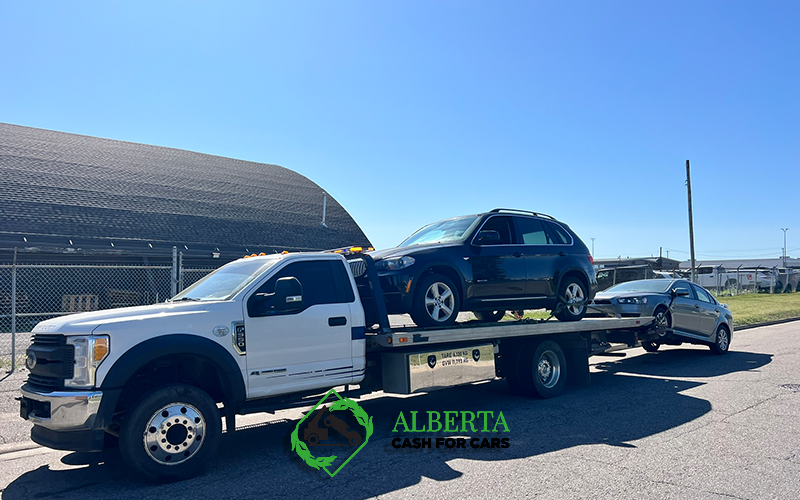
Alberta Cash for Cars helps drivers across Calgary and surrounding Alberta communities sell unwanted vehicles quickly without dealing with listings, negotiations, or repeated buyer meetings. The company buys:
- Older used vehicles
- Damaged cars
- High-mileage vehicles
- Non-running cars
- Junk vehicles
- Trucks and SUVs in almost any condition
Sellers receive:
- Instant quotes
- Free towing
- Same-day pickup in many areas
- Cash paid at pickup
- No hidden fees
Whether the vehicle still runs or has become too expensive to repair, the process stays simple from beginning to end.
Final Word
Buying a used car from a private seller in Alberta can work out well, but only if buyers take the time to inspect the vehicle properly and verify its history beforehand. A good inspection, accurate paperwork, and realistic expectations can help prevent expensive surprises after the sale.
Private sales often come with lower prices, but they also require more responsibility from the buyer. Understanding what to check, what warning signs to watch for, and when repair risks outweigh the savings can make a major difference in whether the purchase ends up being a smart decision or a costly mistake.
Usually, yes. Private sellers often ask lower prices because they don’t have dealership overhead costs. However, buyers also take on more responsibility since private sales typically come without warranties or return options.
Absolutely. A pre-purchase inspection can uncover hidden mechanical problems, rust, accident repairs, or expensive future repairs that may not be obvious during a short test drive or visual inspection.
You’ll usually need a Bill of Sale, proof of registration, the VIN, and seller information. Buyers should also confirm there are no outstanding liens attached to the vehicle before completing the purchase.
Missing service records, warning lights, uneven tire wear, fluid leaks, unusual noises, and visible rust are all common signs a vehicle may not have been maintained properly over time.
Sources
Alberta Cash for Cars uses only trusted, high-quality sources to ensure the information in our articles is accurate, reliable, and up to date.
- Government of Alberta – Buying and Selling a Vehicle in Alberta. Covers ownership transfers, Bills of Sale, and registration requirements.
- CARFAX Canada – How to Buy a Used Car in Canada. Explains inspections, vehicle history reports, and used vehicle buying tips.
- AMA Alberta Motor Association – Buying and Selling Used Vehicle Tips. Covers inspections, paperwork, liens, and safer vehicle transactions.
- Canadian Black Book – Vehicle Value and Pricing Tools. Provides Canadian used vehicle pricing and valuation information.