


A salvage status follows a vehicle for life in Alberta. Once an insurance company writes a car off, the salvage label gets locked to the VIN and never comes off, even after repairs. That’s why a low price tag on a salvage or rebuilt vehicle can hide thousands in long-term costs, from limited insurance options to lower resale value and possible safety risks. We’re going to break down the real risks of buying a salvage title car in Alberta, what to check before you commit, and when these vehicles might still make sense.
Ready to Sell? We’re Ready to Buy!
No Hassle, Just Cash – Book Your Free Pickup or Quote Today!
What "Salvage" and "Rebuilt" Actually Mean in Alberta
In Alberta, a salvage vehicle is one an insurance company has declared a total loss, usually because repairs would cost more than the car is worth. Salvage vehicles can’t be registered, insured, or driven on public roads until they pass a Salvage Vehicle Inspection through a licensed Alberta facility. Once a vehicle passes, the status changes from “salvage” to “rebuilt,” and it can be registered again. The rebuilt status, however, stays on the VIN for life.
Most cars marketed as “salvage title cars” in Alberta are actually rebuilt vehicles. Knowing the difference matters, since a true salvage vehicle isn’t road legal until the inspection is complete.
Related Post:
Safety Concerns You Can't See
The biggest risk is what hides under the paint. A salvage write-off usually means the car was in a serious collision, flood, fire, or theft incident. Even after a rebuilt inspection, repairs may not meet original equipment standards. Common hidden issues include:
- Frame damage that wasn’t fully straightened
- Poorly replaced or non-functional airbags
- Electrical problems from past flooding
- Cheap aftermarket parts in critical safety areas
- Hidden corrosion from water exposure
- Incomplete repairs covered by paint or trim
A passed inspection doesn’t guarantee long-term reliability, especially if shortcuts were taken during the rebuild.
Insurance Is Harder to Get and Often Costs More
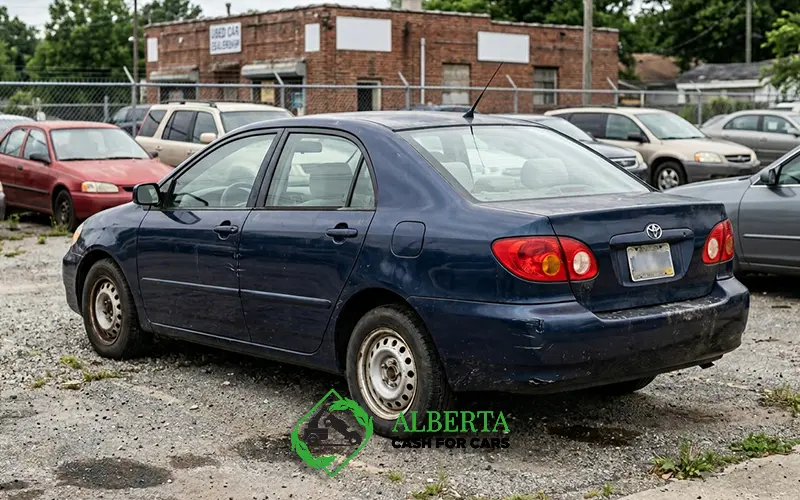
Insurance for rebuilt vehicles in Alberta is more limited than for clean-status cars. Some insurers won’t cover them at all, and those that do often charge higher premiums or refuse to offer full collision and comprehensive coverage. Liability-only coverage is sometimes the best option, which means you’d pay out of pocket for any damage to the rebuilt vehicle if you crash again.
Before buying, call your insurance company and confirm coverage on the specific VIN. Skipping that step can leave you with a car you can’t legally insure.
Related Post:
Resale Value Drops Significantly
A rebuilt vehicle in Alberta is usually worth far less than a comparable clean-status car. Future buyers know the history and either offer less, refuse the sale, or demand a detailed inspection. Dealerships often won’t accept them as trade-ins, which limits your options when you want to upgrade. The lower upfront price might look like a deal, but you typically lose much of that “savings” when it’s time to sell.
Financing Can Be Tough
Most banks and lenders in Alberta either won’t finance rebuilt vehicles or offer worse rates and shorter terms when they do. If you need a loan, dealer or seller financing options can carry high interest. Paying cash is often the only realistic route, which puts these cars out of reach for many buyers.
What to Check Before You Buy
If you’re still considering a rebuilt vehicle in Alberta, do your homework before committing. A few key steps make the difference between a hidden lemon and a workable deal:
Request the Full Vehicle History Report and Original Damage Details
Before buying any rebuilt vehicle, ask for a complete vehicle history report along with details about the original accident or damage. This helps you understand how serious the repairs actually were and whether the vehicle had structural, flood, or collision damage in the past.
Ask for the Rebuilt Vehicle Work Plan if Available
Some rebuilt vehicles come with repair documentation showing what parts were replaced and what work was completed. Reviewing the repair plan can give you a better idea of how professionally the vehicle was rebuilt.
Have a Trusted Mechanic Inspect the Vehicle Thoroughly
Even if the vehicle already passed inspection, it’s still smart to have an independent mechanic check the frame, weld quality, electrical systems, suspension, and any signs of flood damage or poor repairs before buying.
Confirm the Rebuilt Inspection Certificate Is Registered in Alberta
In Alberta, rebuilt vehicles must pass a mandatory inspection before they can legally return to the road. Make sure the rebuilt inspection certificate has been properly processed through Alberta Registries before moving forward with the purchase.
Get an Insurance Quote Using the VIN Before You Buy
Insurance companies sometimes charge higher premiums or offer limited coverage for rebuilt vehicles. Getting a quote ahead of time helps you avoid surprises after purchasing the car.
Compare the Price Against Similar Clean-Title Vehicles
A rebuilt vehicle should usually cost noticeably less than a comparable clean-title version of the same model. Comparing prices helps you decide whether the discount actually justifies the additional risk.
What to Do if You Have a Salvage Car On Your Hands?
Alberta Cash for Cars makes the process simple. The team buys vehicles across Calgary and around 25 surrounding Alberta cities, and pays cash on the spot. Sellers get:
- Instant quotes with no hidden fees
- Cash paid at pickup, every time
- Same-day pickup in most areas
- Free towing for non-running, junk, or scrap vehicles
- Fair offers on running, used, damaged, accidental, and flooded cars
Whether your car was just written off, sitting unused, or beyond repair, the team handles pickup and paperwork. Reach out for a free quote and turn your old car into cash.
Final Word
Buying a salvage or rebuilt vehicle in Alberta can look like a bargain, but the risks usually outweigh the savings. Hidden damage, limited insurance options, lower resale value, and financing trouble all stack up against the lower sticker price. The salvage status follows the VIN for life, so the consequences of one write-off don’t go away once the repairs are done.
If you’re set on a rebuilt vehicle, get the inspection, history check, and insurance quote done before signing anything. For most buyers, a clean-status car costs less in the long run and brings far more peace of mind on Alberta roads.
No. A salvage vehicle cannot be registered, insured, or driven on public roads in Alberta until it has been fully repaired and has passed a Salvage Vehicle Inspection through a licensed facility. Once it passes, the vehicle is reclassified as rebuilt and can be re-registered.
Yes. Many Alberta insurance companies offer limited coverage on rebuilt vehicles, and some won’t cover them at all. Premiums are usually higher, and full collision or comprehensive coverage may not be available. Always confirm insurance options on the specific VIN before buying.
A salvage inspection is performed by a licensed Alberta technician at an approved facility. It includes a structural integrity check, a mechanical safety review, and verification that repairs meet OEM or I-CAR standards. The owner must submit a Rebuilt Vehicle Work Plan and pre-repair photos. If the vehicle passes, the certificate is valid for 14 days and must be brought to an Alberta registry agent to update the status to rebuilt.
Most banks and traditional lenders won’t finance rebuilt vehicles, or they offer reduced terms and higher interest rates when they do. Cash purchases are common for these cars, and dealer financing usually comes with higher rates. Check with your lender before committing to the purchase.
Sources
- Government of Alberta. (2024). Salvage Vehicle Inspections. Retrieved from alberta.ca
- Alberta Motor Vehicle Industry Council. (2024). Rebuilt Vehicle Disclosure Requirements. Retrieved from amvic.org
- Insurance Bureau of Canada. (2024). Insurance Considerations for Rebuilt Vehicles. Retrieved from ibc.ca
- Carfax Canada. (2024). Understanding Vehicle History Reports. Retrieved from carfax.ca