


Most drivers have seen the long string of numbers and letters sitting near the windshield or printed on registration paperwork, but many don’t really know what it means. That code is called a VIN, short for Vehicle Identification Number, and it plays a much bigger role than most people realize. In Alberta, a VIN is used to track ownership, accident history, recalls, insurance records, and even whether a vehicle has been stolen. That’s why checking the VIN is one of the most important steps when buying, selling, or registering a vehicle. This guide explains what a VIN is, where to find it, and why it matters so much.
Ready to Sell? We’re Ready to Buy!
No Hassle, Just Cash – Book Your Free Pickup or Quote Today!
What Is a VIN?
A VIN, or Vehicle Identification Number, is a unique 17-character code assigned to every vehicle during manufacturing. You can think of it like a fingerprint for your car. Even two identical vehicles from the same year and model won’t share the same VIN.
The VIN contains information about:
- The manufacturer
- The model year
- The engine type
- Where the vehicle was built
- The vehicle’s unique serial number
Modern VINs follow an international standard, which allows manufacturers, insurance companies, dealerships, and government agencies to identify vehicles accurately.
Why Is the VIN So Important?
Your VIN connects the vehicle to its entire recorded history. Accident claims, recalls, registration records, title changes, and theft reports are all linked to that one number. If you’re buying a used vehicle, checking the VIN is what uncovers problems that aren’t immediately visible.
That’s why VINs matter during:
- Used car purchases
- Insurance applications
- Ownership transfers
- Vehicle registrations
- Accident history checks
Related Post:
A VIN Helps Confirm the Vehicle Is Legitimate
One of the biggest reasons to check a VIN is to make sure the vehicle actually matches its paperwork. If the VIN on the registration doesn’t match the car itself, that’s usually a major warning sign buyers shouldn’t ignore.
Why VIN Checks Matter More for Older Vehicles
Older vehicles sometimes go through multiple owners, insurance claims, or rebuilds over time. A VIN history report allows buyers to understand what the vehicle has actually been through before making a decision.
Where to Find the VIN on Your Vehicle
Most vehicles have the VIN displayed in several locations, so it’s usually easy to find once you know where to look.
Common VIN locations include:
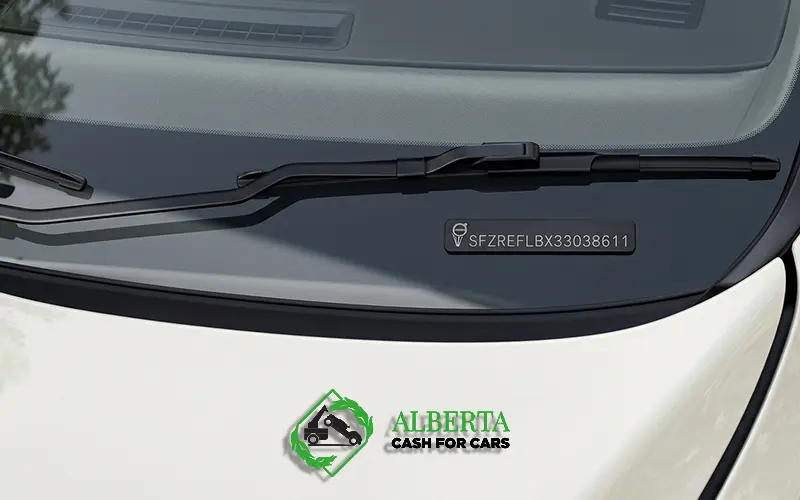
- The dashboard near the windshield on the driver’s side
- Inside the driver’s door frame
- Vehicle registration documents
- Insurance paperwork
- Under the hood on some models
The VIN should match everywhere it appears. Any differences between the paperwork and the vehicle itself should be checked carefully before buying or selling the car.
You Can Make Selling Your Vehicle Much Simpler
If selling a vehicle privately already feels like too much work, there’s an easier option. Instead of dealing with listings, buyer questions, and paperwork on your own, a cash for cars service can handle most of the process for you.
Alberta Cash for Cars helps drivers across Calgary and around 25 surrounding Alberta communities sell vehicles quickly and without unnecessary stress. Sellers get:
- Instant quotes with no hidden fees
- Cash paid at pickup
- Same-day pickup in many areas
- Free towing for junk or non-running vehicles
- Fair offers on used, damaged, accidental, flooded, and high-mileage cars
The team also helps handle the paperwork side of the process, including ownership details connected to the VIN. Whether the vehicle still runs or has become too expensive to repair, the process stays simple from beginning to end.
Conclusion
Understanding what a VIN is can save vehicle owners from a lot of problems later on. From ownership verification to accident history checks, the VIN plays a major role in almost every vehicle transaction in Alberta.
No matter if you’re buying, selling, registering, or insuring a vehicle, taking a few minutes to check the VIN helps you make sure the information connected to the car is accurate. It’s one of the simplest ways to protect yourself from hidden issues and avoid costly surprises down the road.
VIN stands for Vehicle Identification Number. It’s a unique 17-character code assigned to every vehicle and used to track ownership, accident history, recalls, registration records, and other important vehicle information.
No. Every VIN is unique to a single vehicle. Even vehicles with the same make, model, and year will always have different VIN numbers assigned during manufacturing.
A VIN check can reveal accident history, theft records, salvage status, title issues, recalls, and previous insurance claims. This helps buyers avoid hidden problems before purchasing the vehicle.
Most VINs are located near the windshield on the driver’s side dashboard, inside the driver’s door frame, and on registration or insurance documents connected to the vehicle.
Sources
Alberta Cash for Cars uses only trusted, high-quality sources to ensure the information in our articles is accurate, reliable, and up to date.
- Government of Canada. Vehicle Identification Number (VIN) Requirements and Standards. Explains VIN structure, vehicle identification standards, and manufacturing regulations. Retrieved from tc.canada.ca
- CARFAX Canada. How to Check a Vehicle’s History Using a VIN. Covers VIN checks, accident history reports, title issues, and vehicle ownership records. Retrieved from carfax.ca
- Alberta Motor Vehicle Industry Council (AMVIC). Buying and Selling Vehicles in Alberta. Explains vehicle registration, ownership verification, and used vehicle buying considerations in Alberta. Retrieved from amvic.org
- National Highway Traffic Safety Administration (NHTSA). VIN Decoder and Vehicle Information Guide. Provides VIN lookup information, manufacturer identification details, and recall-related VIN resources. Retrieved from nhtsa.gov